
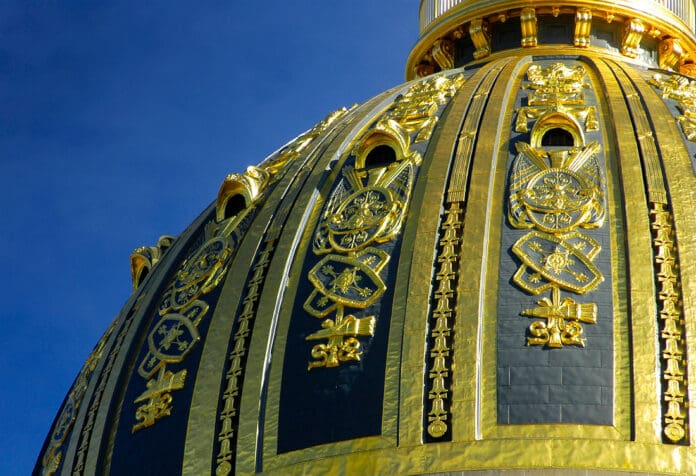

If you have ever driven through Charleston, West Virginia, and caught a glimpse of that gleaming gold dome rising above the Kanawha River, you have seen more than just an impressive piece of architecture.
Atop is the West Virginia State Capitol is the iconic dome that stands as a symbol of the decisions, debates, and direction that shape our daily lives. Yet, for many residents – especially those of us in the rest of the state who don’t drive by often – it can feel far removed from our everyday world. We are busy working, raising families, paying bills, and balancing more obligations than time allows. However, decisions and actions that happen under that dome affect every one of us.
Understanding who represents us there and how to connect with them, is one of the most powerful things we can do as citizens.
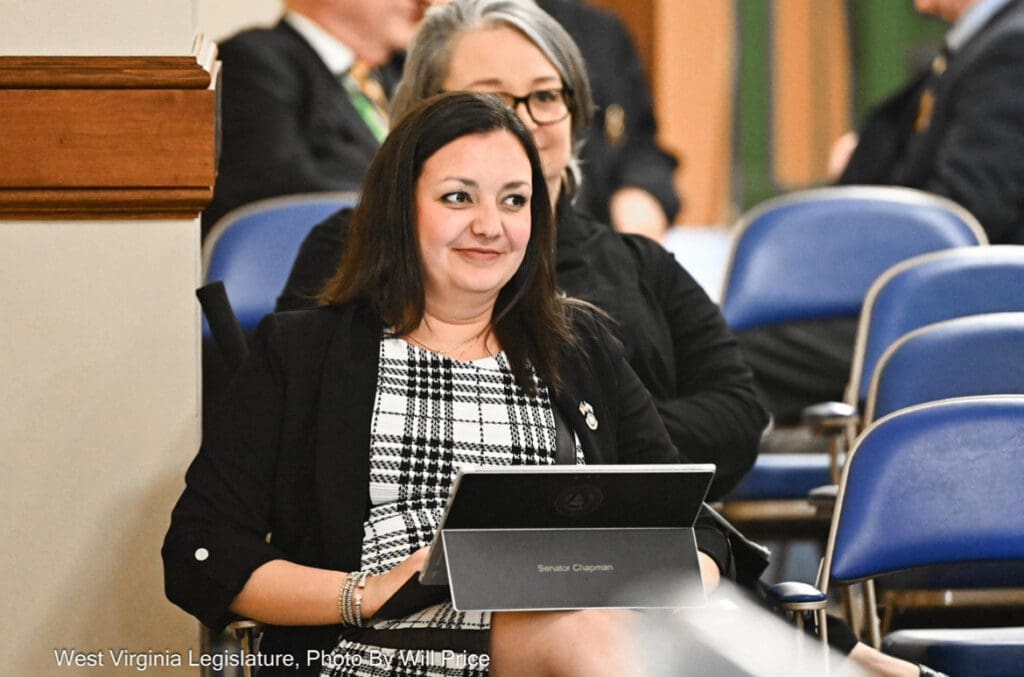
The truth is, the “gold dome” is not just the heart of state government because it’s also a reminder that our democracy depends on participation – not just in elections, but in ongoing engagement, too. The people who walk those marble halls, the legislators, staffers, and public servants are not distant figures. They are our neighbors, our former classmates, our local business owners, and sometimes even our friends. They make decisions about education funding, road repairs, regulations, healthcare policy, and economic development, all of which ripple back to our homes, schools, and workplaces here in our community.
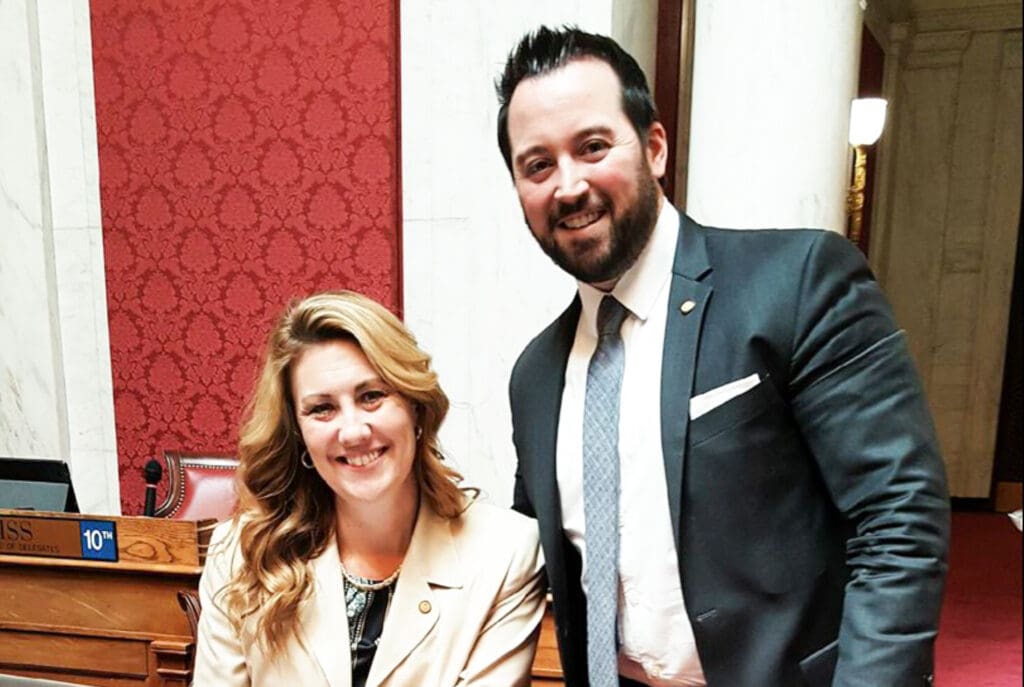
When I talk to folks, I have heard, “I do not even know who my representatives are.”
I had been asked how things were going in Washington multiple times during my time in office, and that’s because there is a disconnect. But this is a gap we can close, and one we must if we want our voices to be heard because government is not some faraway force. It is an ongoing conversation between elected officials and the people they serve.
Knowing your representatives by name, by face, and by their work gives you a seat at that table. It allows you to ask questions, share concerns, and advocate for your community. It also helps hold your leaders accountable and ensures they understand what matters most to the people back home.
These are conversations that need to continue.
For Ohio County residents, that means getting to know not just your delegates and state senator, but also your county commissioners, city council members, and mayor. These are the individuals who decide how resources are distributed, which projects move forward, and how local issues are prioritized. When you take the time to meet them, write to them, or attend meetings, you are not just showing interest, you are exercising your power as a constituent!
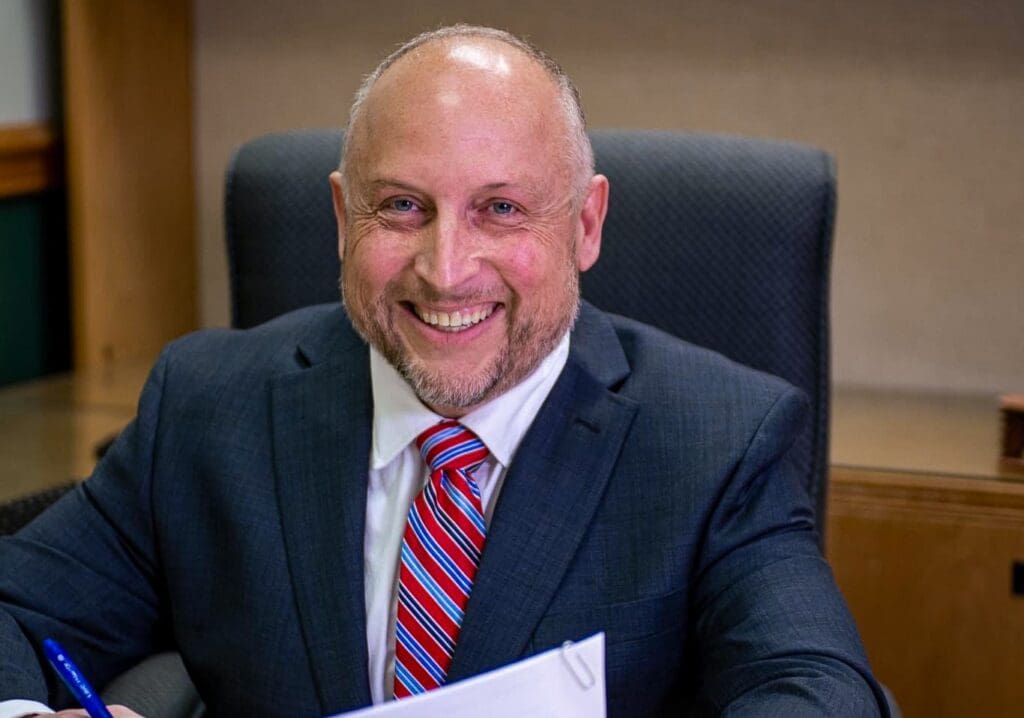
Let’s be honest. Politics can be messy. It can be frustrating, slow-moving, and even discouraging at times. But avoiding it does not make it any better. In fact, disengagement is exactly what allows the loudest or most extreme voices to dominate the conversation. The more reasonable, thoughtful, everyday citizens step back, the less balanced the process becomes.
That is why it is so important for people from every walk of life, whether you are a student, parent, retiree, small business owner, or teacher to stay engaged and informed. You do not have to be an expert on every bill or policy. You just have to care enough to pay attention, to reach out, and to make your presence known.
A great place to start is by visiting Charleston. If you have never toured the Capitol, I encourage you to make the trip. Stand under the dome. Walk through the rotunda. Watch a legislative session from the gallery. When you do, you will realize that it is not an intimidating place. It is a working building, filled with people who are there to serve. If they are not, they need to not be there.
Sign your children up to Page in either the House or Senate. It can be a long day but what an experience.
Many West Virginians are surprised by how accessible their lawmakers are. Most legislators welcome calls and emails from constituents. They attend community meetings, respond to letters, and often post updates on social media. They are not unreachable. They are there to serve.
The West Virginia Legislature’s website is another valuable tool. There, you can find who represents you, track bills, and even watch committee meetings and floor debates live. This kind of transparency is something our state has worked hard to maintain, and it’s an open invitation for citizens to stay connected.
When you engage, you also strengthen your community’s voice. Ohio County has a proud history of leadership, industry, and resilience. We have faced challenges and adapted time and again, from the shifting away from a manufacturing economy to the need for better infrastructure. The more our local residents stay informed and involved, the better equipped we are to advocate for resources and representation that reflect our needs and values.
There is also something deeply personal about seeing where laws are made. The Capitol isn’t just about politics. It should be about people. It is where school groups gather for tours, where veterans and former public servants are honored, and where West Virginians of all backgrounds come together to make their voices heard. When you see it in person, you understand that government is not some abstract concept. It is human. It’s tangible. It’s yours.
That gold dome shines for all of us, whether you agree with what is happening inside or not. It stands as a beacon of possibility and accountability. It reminds us that democracy is not a spectator sport. It’s a participatory one.
So, as an Ohio County resident, take the time this year to get familiar with your representatives. Hopefully, they will have town halls, even in off years. Write them a note of thanks when they do something that helps your community. Speak up respectfully when you disagree. Teach your children how the process works and also teach why it matters.
Encourage them to take pride in that golden dome and what it represents.
Because the more connected we are to our government, the stronger our state becomes. West Virginia needs the voices of people from every corner, especially from here in the Northern Panhandle where our perspectives are unique and our contributions vital.
The gold dome does not just belong to Charleston. It belongs to all of us. When you recognize that, when you see yourself reflected in its shine, that’s when government becomes real, meaningful, and truly representative of the people it serves.