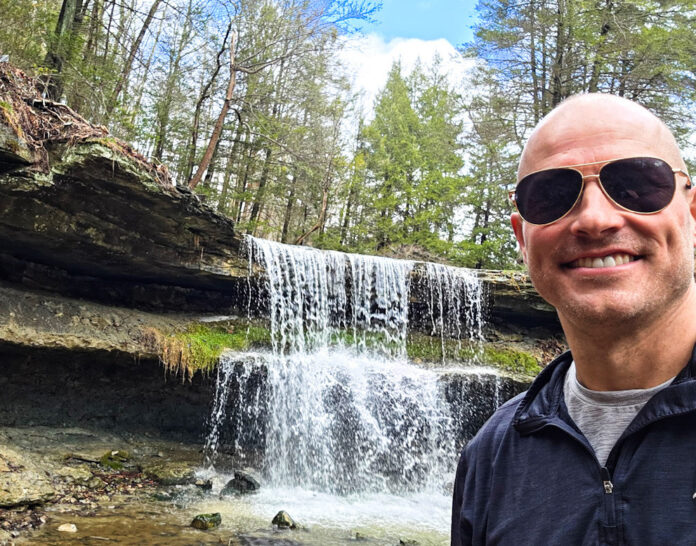

Derek Ennis is a candidate in the Republican Primary for the 4th District of the House of Delegates, and he’s listed his “Top Issues” as Family Strength, Economic Development, Infrastructure Maintenance, Educating to Individuals, Tourism and Natural Resource Management.
Below, Mr. Ennis answers specific questions concerning each of those issues.
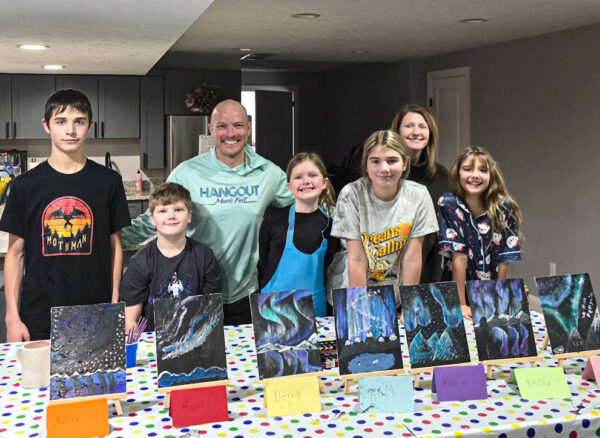
FAMILY STRENGTH – If you are elected to the state House of Delegates, what is the first thing you would propose to strengthen families in West Virginia?
Strong families are the foundation of a stronger West Virginia. We already have key advantages like affordable housing, close-knit communities, and a slower pace of life that allows families to stay connected. That is something we should protect and intentionally promote to attract young families who want stability, safety, and community.
At the same time, we need to strengthen the systems families interact with when challenges arise. That includes reviewing family court and child welfare processes to improve transparency, consistency, and timeliness. Cases should move efficiently, with clear standards and safeguards that keep children from being caught in prolonged disputes or used as leverage.
We should also be honest about legislative follow-through. Important family-focused reforms have failed in the past session due to timing limitations in the 60-day legislative calendar. That is not a judgment on any single bill, but it does highlight a structural issue: meaningful reform is allowed to expire before it can be completed in WV.
This Mountaineer thinks it’s odd how I must timely pay my taxes each year or face legal problems; however, WV lawmakers are allowed to run out of time when debating issues directly related to child safety and the deplorable 91% failure of CPS! I will, no – must, raise that standard when elected.
As part of a 2027 focus, I would support revisiting unfinished legislation, studying why it stalled, and refining it into practical, workable policy.
This reflection would also include sparking conversations on evaluating whether West Virginia should modernize its legislative calendar to allow more time for complex issues.
ECONOMIC DEVELOPMENT – What legislation would you compose that would increase the state’s support for entrepreneurs in West Virginia?
West Virginia’s growth should be built from within by supporting entrepreneurs, small businesses, and local industry.
That means reducing unnecessary regulatory barriers, simplifying licensing, and expanding access to start-up capital for small operators.
We also need to tell our own success stories. The West Virginia Great Barrel Company (WVGBC) is a strong example of what local manufacturing can look like when craftsmanship, natural resources, and entrepreneurship align in the aftermath of flooding and deviation. It shows that value-added production can thrive in West Virginia when we support it properly.
Communities like Valley Grove and Triadelphia highlight both the challenges and the opportunity. When infrastructure and weather events strain a region, we need to pair recovery with long-term investment so small businesses and working families can rebuild and grow.
I would also support transportation planning that strengthens local economic corridors. Specifically, improving access into Triadelphia and Route 40 development rather than focusing only on highway on-ramp from I-70 to the Highlands. Economic development should help towns grow, not route opportunity around them.

INFRASTRUCTURE MAINTENANCE – What do you believe are the biggest issues right now when it comes to maintaining the secondary roads in West Virginia?
Secondary roads are one of the most important systems in West Virginia, and they face constant stress from terrain, weather, and aging infrastructure. Slips, drainage failures, and washouts require more proactive maintenance rather than reactive repair cycles.
The Valley Grove and Triadelphia flooding underscored this reality. Roads, guardrails, and drainage systems were overwhelmed, and recovery has required sustained effort.
Moving forward, we need stronger flood mitigation planning including creek and stream maintenance, culvert upgrades, slope stabilization, and better emergency preparedness coordination.
Just as important is long-term follow-through so that communities are not only repaired but made more resilient against future events.
EDUCATING TO INDIVIDUALS – What suggestions would you make to improve how the state’s public school system addresses the needs of each student?
Education should be built around the individual student, not a one-size-fits-all system. That includes stronger tutoring support, flexible learning pathways, and expanded career and technical education alongside traditional academic tracks.
For students with IEPs and neurodivergent learning needs, the goal should always be high expectation paired with strong support. An IEP should never become a substitute for engagement or effort. It should be a structured plan that ensures the student receives the tools they need to succeed. That means more consistent one-on-one support, targeted interventions, and after-school or supplemental tutoring options when needed.
At the same time, we need to improve how we understand student development more broadly like nutrition, developmental readiness, behavioral issues, and the amount of love they receive at home, all play a role in learning readiness. That conversation should be evidence-based and focused on outcomes, not assumptions of current paradigms.
Schools should not be forced to absorb every societal responsibility, but they do play a critical role in identifying needs early and coordinating with families and community resources so students can succeed. As society transitions into A.I. self-paced learning, this future WV delegate is already asking, “What other areas of childhood development can public education impact beyond the classroom learning experience?”
TOURISM and NATURAL RESOURCE MANAGEMENT – What are your ideas to help the state’s natural beauty be utilized more effectively to bolster West Virginia’s tourism industry?
West Virginia’s natural beauty is one of our greatest economic assets. Mountains, rivers, trails, and small towns define both our identity and our opportunity.
We should continue investing in outdoor recreation, river access, parks, and local tourism businesses while protecting the environment that makes these places special. Just as importantly, we should market West Virginia as a place to live, not just visit, because affordability, safety, and community are increasingly rare nationwide.
Tourism and natural resource development should work together to strengthen small towns and create sustainable local jobs.