

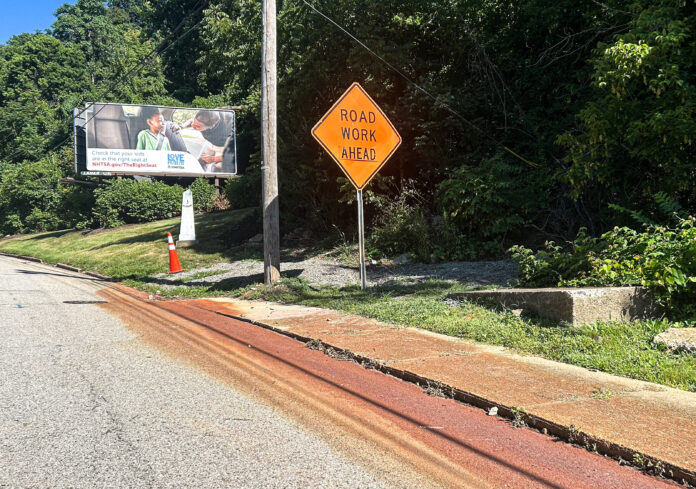

He played in it, and so did the other local kids growing up in Fulton.
And it wasn’t the only orange stream in the neighborhood either, but those waterways were far more common throughout the Upper Ohio Valley back in the 1970s because of mining that took place more than a century ago.
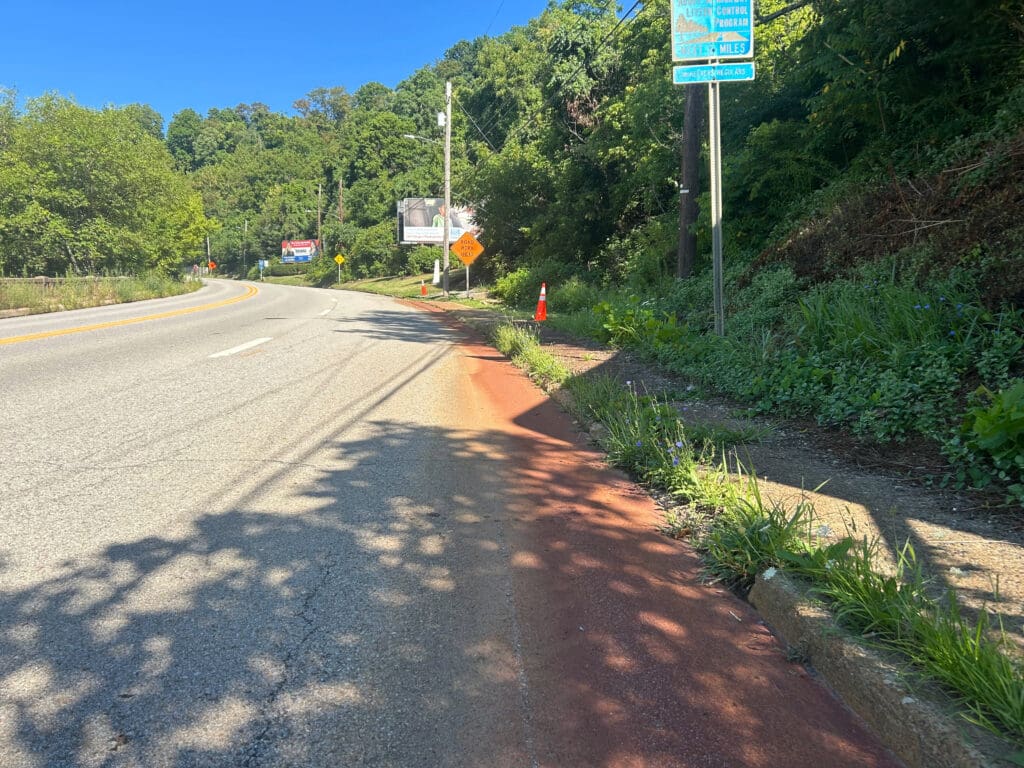
“That (orange stream) has been there (at the base of Wheeling Hill) since I was a kid,” explained Mike Duplaga, owner of Generations restaurant & Pub in Fulton. “We didn’t know why it was orange, but that didn’t stop us because we didn’t know any better. When it rained, the run-off really poured off that hill like a waterfall.
“We were always in Big Wheeling Creek, too, and now we know how polluted it was back then,” he said. “The creek is cleaner today than it’s ever been in my lifetime, but the orange water still flows across National Road because of the coal mines that were in our hills around here.”
Duplaga is correct about the orange water that flows out of the side of the same hilltop that supports the North Park neighborhood of Wheeling. In fact, according to City Manager Bob Herron, the majority of the rolling hills were pillar-mined for coal during the late 1800s and early 1900s.
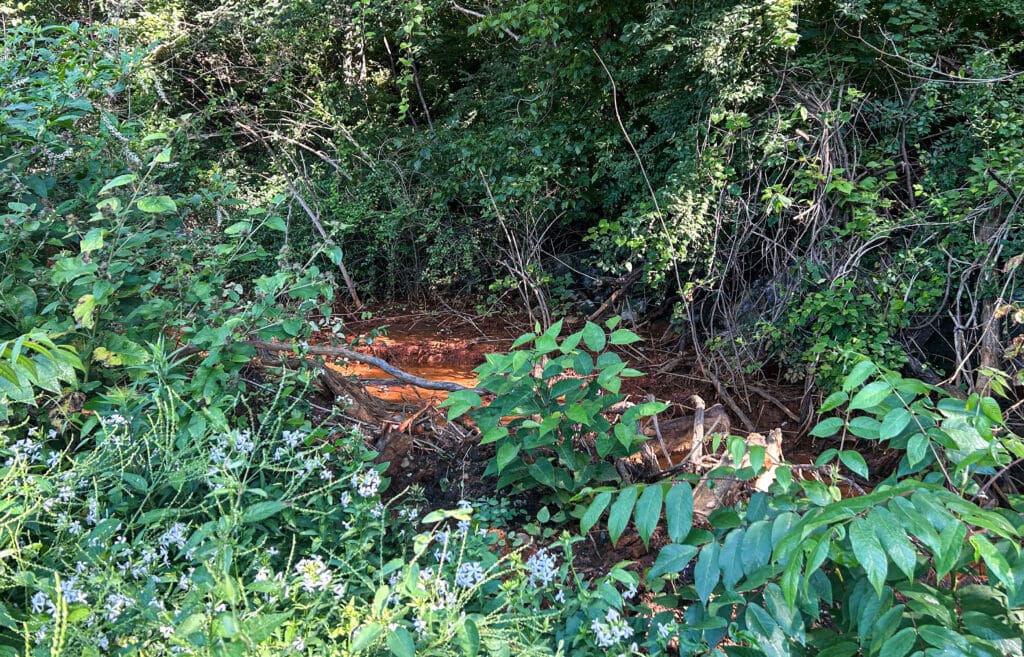
“That’s acid mine drainage that’s been taking place in that area for a lot of years because mining has taken place inside those hillsides along National Road,” explained Herron. “In fact, most of our hillsides have been mined out, but we have this site and one other in Warwood that have requirements for us to follow as far as treating that drainage.
“We are required by the (state Department of Environmental Protection) to treat acid mine drainage,” he continued. “There are catch basins in those areas, and our wastewater treatment plant is equipped to treat it when it reaches that far.”
The “room-and-pillar” mining technique leaves unmined blocks or “pillars” of coal and rock that support the mine’s roof, and often water run-off collects inside these abandoned shafts. Mechanized “longwall” mining was introduced in the 1950s, and by the 1980s, the modern technique became the industry’s primary process.
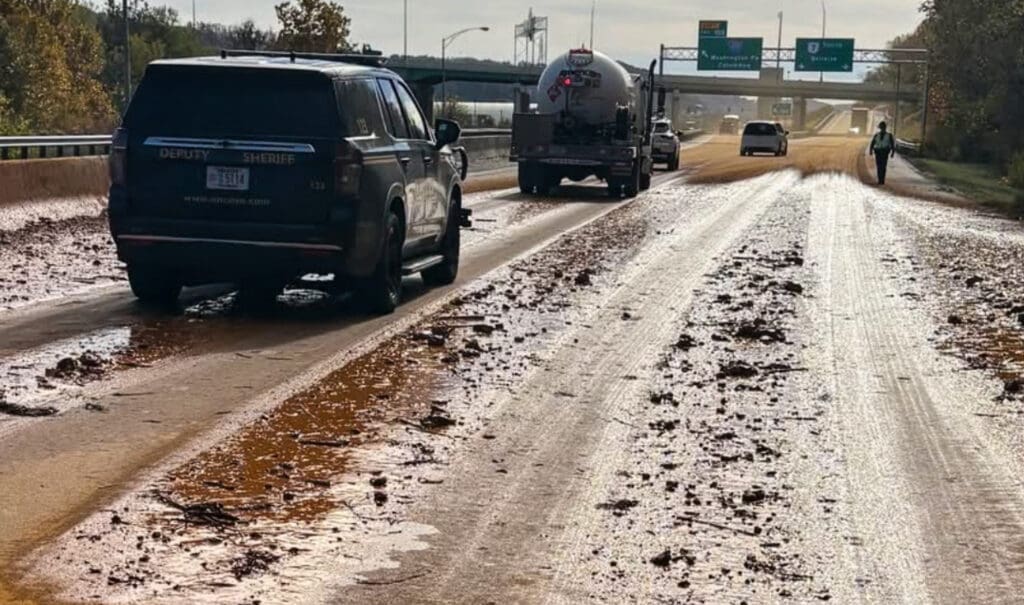
While a number of other “pillared” mines have been remediated along several streams throughout the valley, last winter workers with the Ohio Department of Transportation District 11 office had to scrub the two lanes that make up Ohio Route 7 southbound near the state highway’s intersection with Interstate 470 after the hillside slid away thanks to acid mine drainage.
Herron doesn’t expect the same along National Road or at the Warwood site.
“The areas where the acid mine drainage is prevalent on National Road in Fulton and in Warwood were there before I started here in Wheeling (24) years ago,” Herron explained. “You can see it running down that area of Wheeling Hill after we get significant rain, and when it’s dry out, it goes away because there’s nothing pushing it out from the hillside.
“There was a lot more of that orange water in the streams and creeks more than 20 years ago because there were no mandates to treatment those (waterways), but the federal government has really cracked down with the remediation of those areas,” he added. “When those mines were in operation, no one really knew they’d fill up with water someday and then leak into our creeks and streams, but here we are and a lot of progress has been made.”