

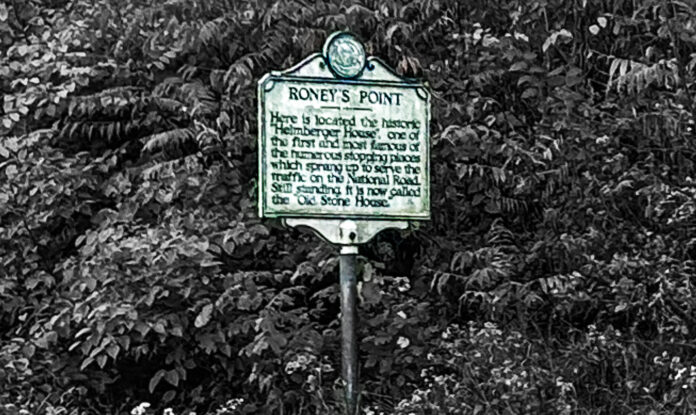

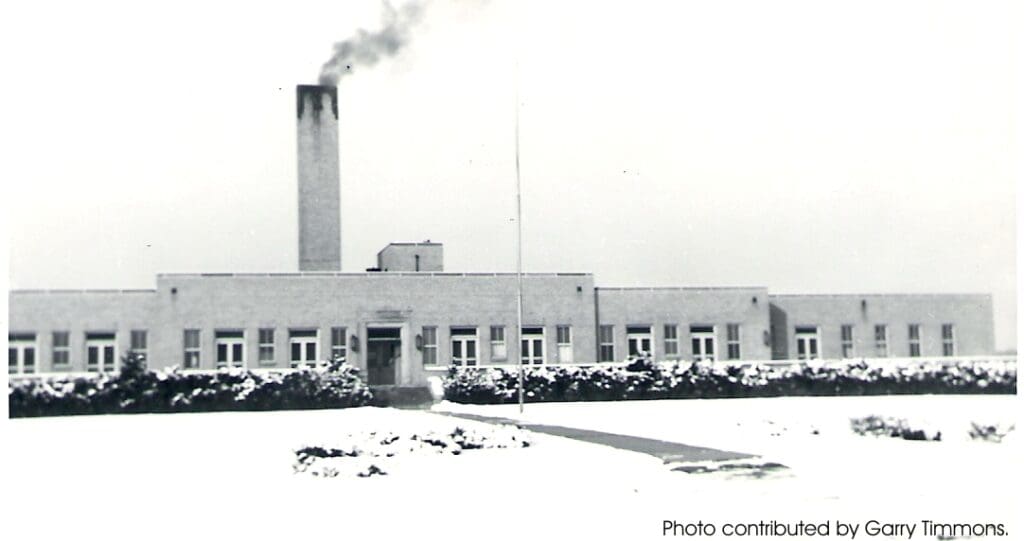
There were offices, an OR area, and restrooms with showers along the long hallway that connected two spacious areas where 20 females resided on one end and 20 males on the other. The front porch was as wide as the hospital when it was constructed in 1936 as a state facility for the northern panhandle’s tuberculosis patients.
Sitting in fresh air was the only prescription, that’s why, and while some survived, the majority of the sick were suffocated by the overwhelming infection and their failing lungs. It wasn’t until 1943 that the first effective antibiotic – Streptomycin – was discovered, and not until 1952 when Isoniazid was introduced.
Once the TB outbreak was corralled, the hospital at Roney’s Point was transitioned into a mental health sanitarium in 1952.
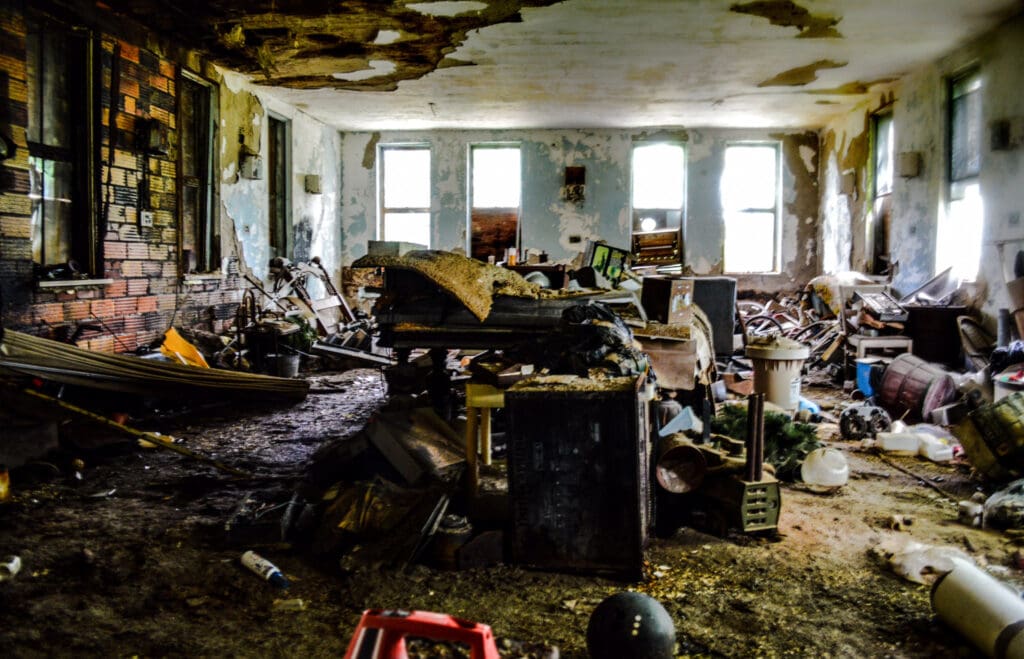
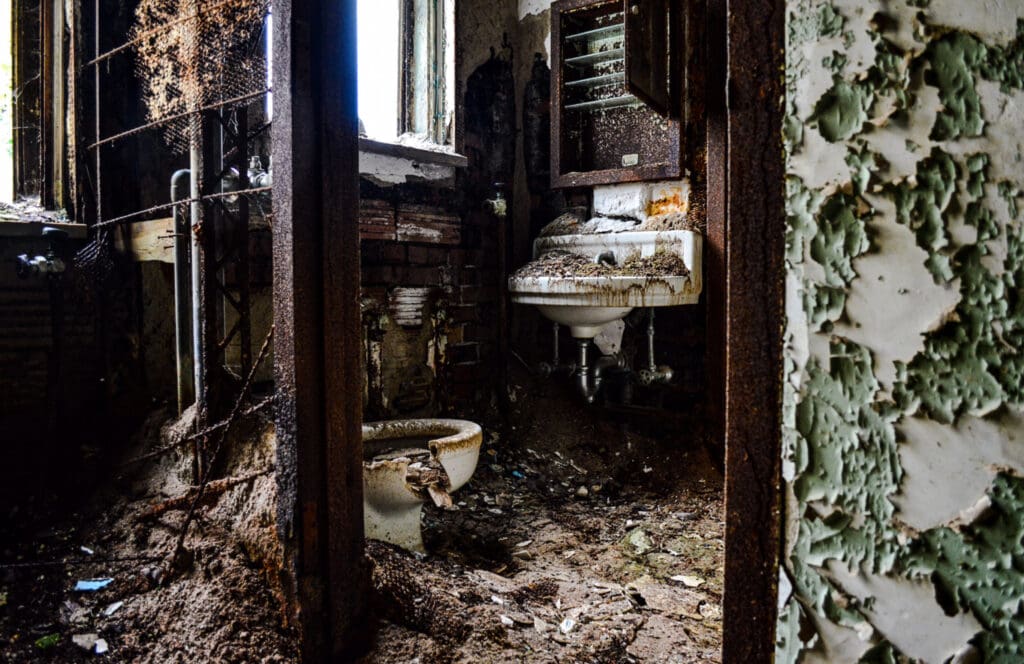
People died then, too, and some believe souls have stayed behind and others have told tales of what they say they saw while creeping a crawl on the private property. There are stories about a gray ghost and flickering white lights and about a crazed man with a shotgun, and yes, it is true that a former property caretaker would chase away trespassing teenagers by shooting his 12 gauge into the air.
“Well, first off, please stay away from Roney’s Point,” advised Ohio County Sherrif Nelson Croft. “It’s a pretty dangerous place and there are a lot of stories out there about the hospital and about what used to go on out there. Some of it’s true, but some of it isn’t. But it’s real dark and quiet, and it’s spooky, too.
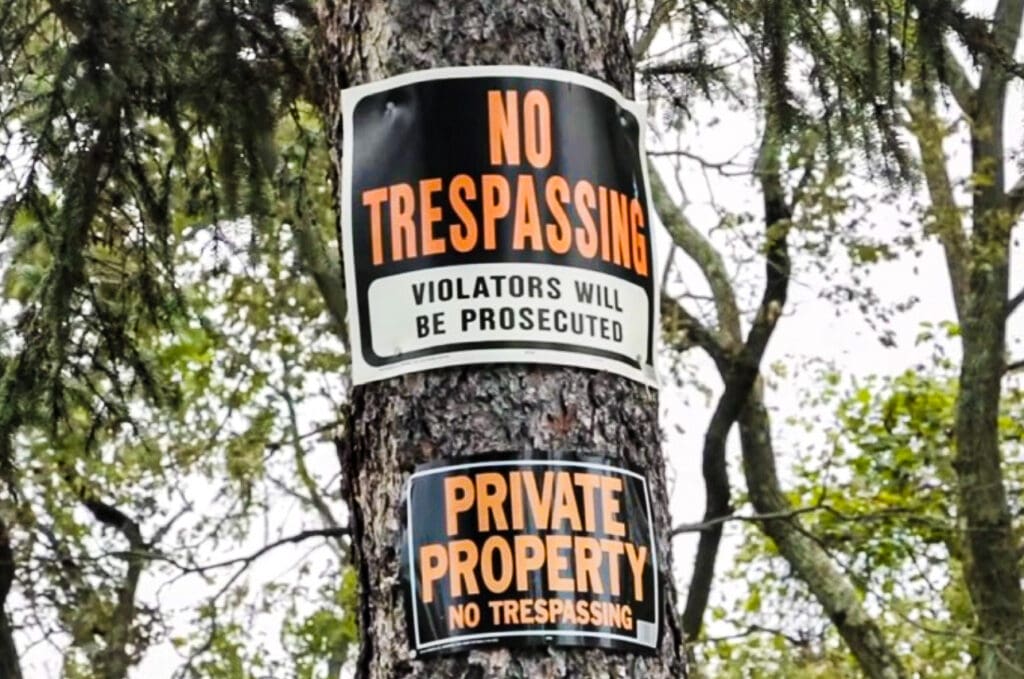
“There is a lot of history on the property with the hospital and the old mansion, but those remnants are not safe at all,” he said. “That’s why there are ‘No Trespassing’ signs all over the property, and our deputies do ride through there pretty often. That’s why I ask that people stay away.”
From Luxury to Poverty
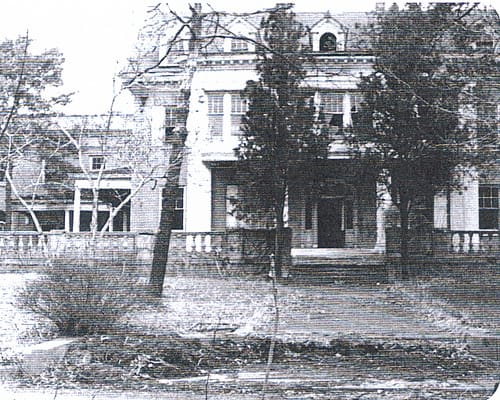
The hospital sat on property the Ohio County Commission came to own in 1917 when the widow of Henry Schmulbach – Pauline Bertschy Schmulbach – sold it for $125,000 because she did not wish to reside alone in the couple’s once glorious mansion after her husband died. Schmulbach was the wealthiest man east of the Mississippi after founding his own brewery and his own bank – the German Bank of Wheeling – in the late 1800s, and his home was completed in 1910 as the first in the county with air conditioning.
The millionaire’s estate had its own stables, icehouse, carriage house, an enormous greenhouse, a barn, and a few utility structures, and he owned race horses, drove only the best vehicles, and owned a brownstone home along what is now as Chapline Street in Center Wheeling.
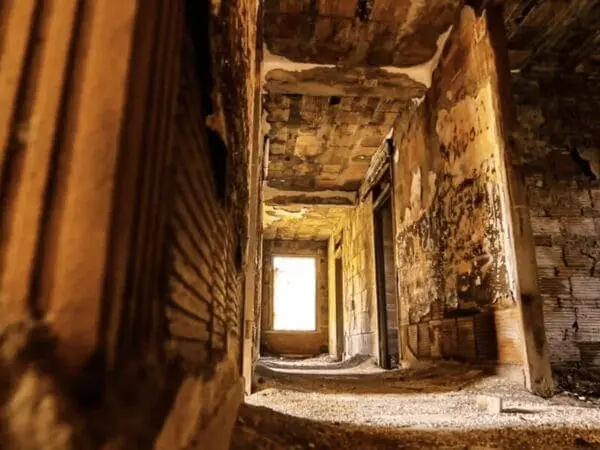
Schmulbach, though, passed away in 1915 from congestive heart failure at the age of 70 years old, and his prized property was transitioned into the county’s “poor farm” once the Great Depression began in the late 1920s. That’s why only the brittle brick skeleton of both luxury and poverty still stands today.
“So, that’s where my family comes in,” Sheriff Croft explained. “My pap had a dairy farm out around the Potomac area (near the state line with Pennsylvania) in the county, but he lost it. That’s when he and his family moved to work the county farm. My dad grew up out there for a few years when he was a kid.
“That county farm was a busy place, but you can’t even tell it was there these days. It’s all grown over up there, and that’s another reason it’s pretty dangerous up there,” he said. “And the cemetery is up there, too, and there were people from the poor farm, from the hospital, and from around the county that were buried there. But you can’t tell. It’s overgrown, and most of the graves only have the markers and not stones so you really can’t see them.”
For years, adventurers have mistaken the mansion’s remnants as proof of the “haunted hospital” while they’ve ignored those “No Trespassing” signs posted on tree after tree along County Farm Road, but Croft chalks it up to how legends evolve away from actual truth.
“There’s enough real history out there that no one has to make anything up,” he said. “But we’d prefer if people just read about the hospital and the old mansion because there are laws against trespassing.”
Behind Bars
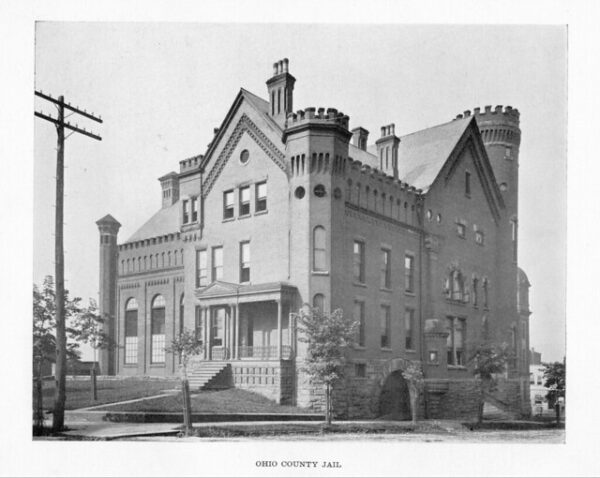
The Ohio County Library’s archived material on Ohio County’s former jail states the following:
“To the displease of Wheeling brewer and prominent businessman, Anton Reymann, the site at the southwest corner of 15th and Eoff Streets — catty-corner from the Reymann residence — was secured by the Board of Ohio County Commissioners May 3, 1890.
“Designed by Wheeling architect Millard Giesey, general contractors on the construction of the building were the Murray Brothers. Prisoners were transferred to the new jail building on Halloween, Monday, October 31, 1892.
The old county jail was razed in 1975 to make way for the new Ohio County Correction Facility and additional parking. General Contracting Co. of Steubenville was the demolition contractor.”
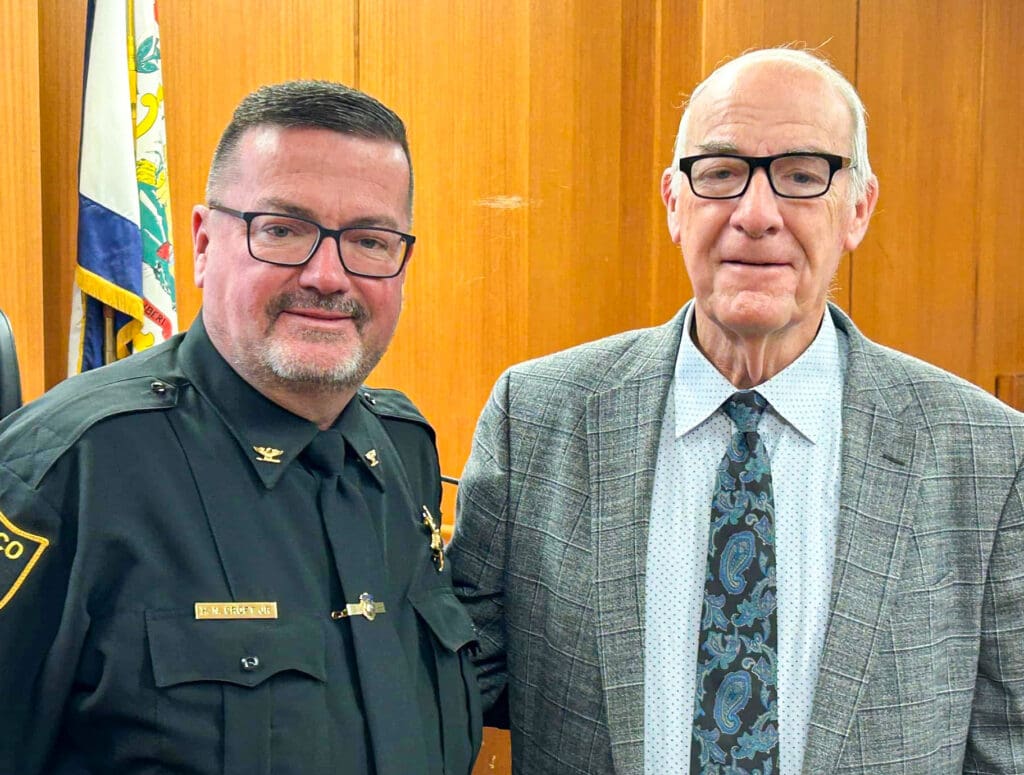
The correction facility remains in place and is operated these days by W.Va. Corrections, and the Ohio County Magistrate Court operates on the property, as well. Sheriff Croft, whose father, Harry Croft, – is a retired law enforcement officer who battled crime on many local levels.
And guess who tagged along with his Dad from time to time?
“Another place that sticks in my mind because of how creepy it was is the old dungeon area of the old county jail,” Croft said. “I was down there because my dad took me down after they closed it. He was a deputy back then, and I think I was only five years old back then.
“Even though I was pretty young, I remember going down there. It left a lasting impression,” he explained. “I remember thinking that it was really cool down there because of how creepy it was. I guess you can say I have good memories of it even though it was creepy.”