


It was just before 2 a.m. on March 13, 1994, when 16-year-old Justin Hughes was walking along a county road between Barton and Crescent in Belmont County when former deputy Chip Williams stopped to perform a welfare check.
Hughes, the deputy reported, was walking off a fight with a girlfriend and didn’t want a ride home. But then the teenager’s father filed a missing person report later that same day, telling authorities his son was wearing a black leather jacket, jeans, and white sneakers when last seen alive. Unfortunately, Justin was then discovered weeks later – on April 29th – in a farm pond close to Crescent.
Following an autopsy and investigation, his death was ruled an accidental drowning by former sheriff Tom McCort. To this day, Justin’s family, friends, and even a local investigator disagree. That is why his passing remains on the cold case list at the Belmont County Sheriff’s Office and likely will be reopened by detectives in the future.
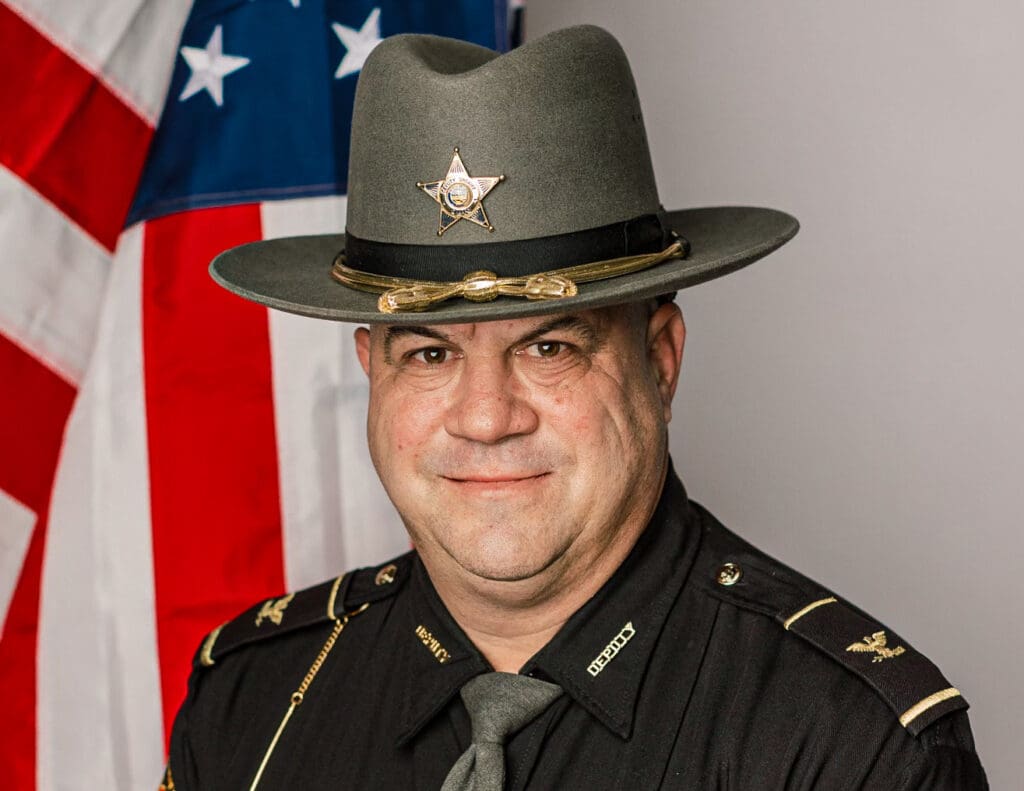
“I will say that the Justin Hughes case, of all of the cold cases, has had the most resources thrown at it than any other,” revealed Chief Detective Ryan Allar, who has served as the lead detective for the Strussion double murder case since the tragedy took place in late September 2021. “A retired deputy named Dick Quinlan has worked the case for years, and he still volunteers his time to the case because he really believes the case is a homicide. He’s out hundreds of hours in on investigating, and Dick always has done excellent work.

“But still, at this time, the Hughes case is still at a point where we don’t believe there’s enough evidence for the coroner to change the cause of death from an accidental drowning to a homicide,” he said. “We realize a lot of people believe it was murder, and we’re far from finished by any means.”
Allar, though, has already reopened the J.C. McGee homicide case, a murder that took place in Bridgeport on July 2, 2002.
“Sheriff (James) Zusack directed us to dig into our cold case files when we have time, and that’s what we started doing this week. He’s asked us to do what we can do by putting a modern eye on them to see what facts and evidence we might be able to turn up,” the county’s chief detective explained. “We spent three-and-a-half years working on the Strussion case, and even though it’s far from over, the heavy lifting is finally finished, and that means we do have time on some days to dig in.
“So, what we’re doing now is digging up everything we can on the youngest cold case we have in Belmont County, and that’s the J.C. McGee case from 2002,” Allar reported. “We’ve started examining the file from the very beginning, and we’ll continue to the end, and we’ve already contacted the investigators who worked the case back then. They’re all retired, but they’ve agreed to meet with us so they can give us their opinions on the case.”
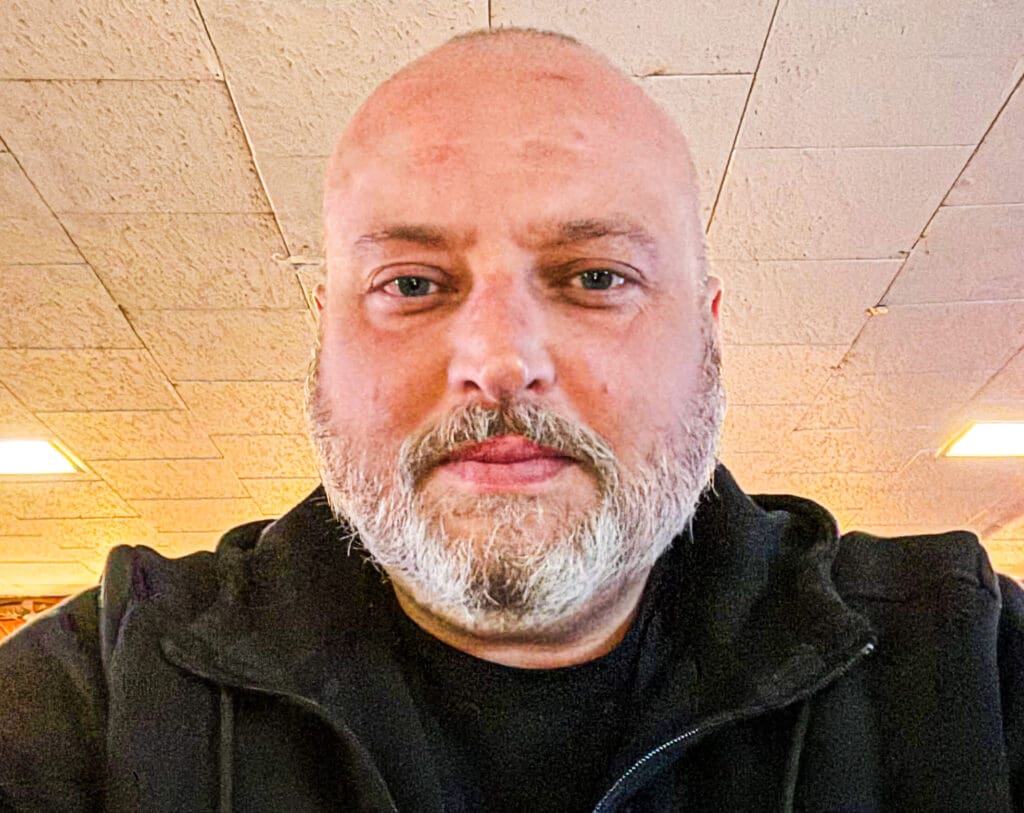
The retired detectives, Allar feels, will offer their thoughts from 23 years ago, but also he expects them to supply evolved perspectives.
“It will be interesting to see what they thought back then, and what we can do now with the technology that’s been developed since. We’ll be able to look at everything through modern eyes, and I guarantee you those investigators haven’t stopped thinking about the case,” he said. “There have been so many advancements in the last couple of decades, especially with how they can examine evidence these days as compared to back in 2002.
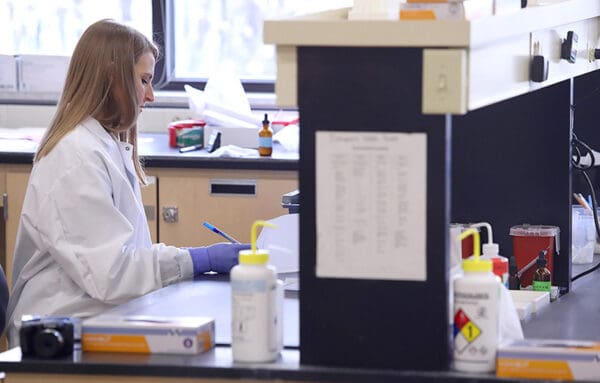
“The crime lab tech is insane these days, and that’s why we’re in contact with the State of Ohio’s crime lab about the evidence in the McGee case, and the same will be true with the other cold cases we get to work,” he explained. “We’re excited because we want to solve what we can for the families of the victims.”
A Modern Eye
Crime drama television shows like “CSI”, “NCIS”, and “Criminal Minds” are very popular and highly rated programs, but solving real-life criminal cases within an hour is very, very rare.
“I mean, if someone at a crime scene admits to everything, that does make our job easier,” Allar joked. “But that never happens.
“Those shows are great for the people who watch them, and they do show some of the technology and resources that we utilize today, but we usually have to wait our turn because investigators from the whole state are sending in evidence from cases in 88 counties,” he explained. “We were lucky to have those resources helping us during the Strussion investigation, trust me. We have a lot of tools here in Belmont County, but when the experts are needed, we usually have to wait for those answers.”
Fingerprinting once was considered “high-tech” when it was introduced to law enforcement in 1904, but the scientific advancements that have taken place since have re-invented criminal investigation several times over. The collection and use of DNA, however, revolutionized the industry when its use was mainstreamed in the early 1980s.
“Now, the facts of the McGee case are short and sweet. Several persons unknown to Mr. McGee had entered his home, and they claimed to be part of some kind of law enforcement task force. They were looking for money and whatever else,” Allar reported. “At some point, the individuals shot him in some kind of execution style. So, maybe, the new technology might be able to reveal some facts that remained a mystery in 2002.
“Now, back in 2002, DNA had been around for a while, but it was still considered to be in its infancy, but the things they can do now are so far advanced from the things they could do 23 years ago,” he said. “So, we’re hoping that some of the evidence that was collected by the investigators back then might be able to supply us with some new leads thanks to today’s technology.”
Frozen Forever?
Maybe you heard about it. Maybe you didn’t.
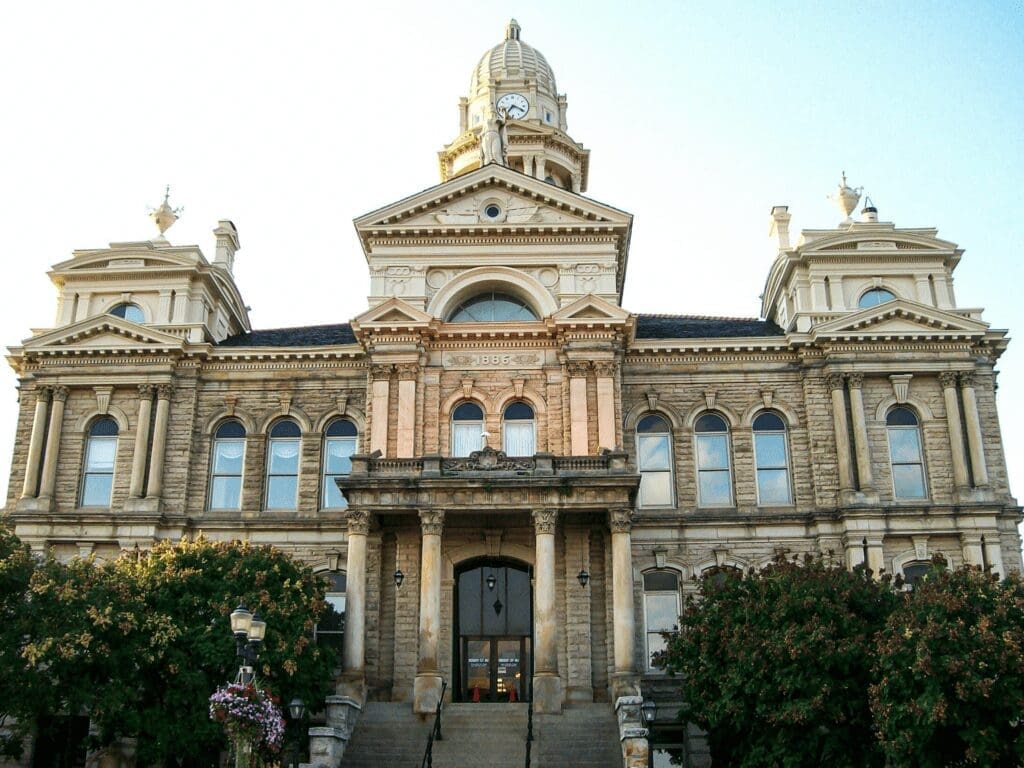
In the Summer of 1991, the roof of the Belmont County Courthouse collapsed because of persistent dampness, constant leaks, and age, according to a report published in The Intelligencer on July 16, 1991.
The collapse, which took place during the early morning hours of July 10th, rendered the third floor unsafe for occupancy, and the offices had to move to other locations and a million-dollar repair project was developed immediately.
Also lost, according to Detective Allar, were volumes of historical records compiled for decades by the Belmont County Sheriff’s Office, including paperwork connected to a plethora of the county’s cold-case murder investigations.
“We’re going to reexamine as many of the cold cases we can, but there are only so many cases before we hit a wall,” he said. “One of the biggest tragedies in Belmont County that no one really knows about took place when the roof of the courthouse collapsed back in the early 1990s, and most of the older case files were destroyed by the collapse and then by water damage from rain. Those files were stored in the attic, so pretty much 100 years of files were destroyed.
“Of course, that includes all of the homicide case files that took place before 1982,” he said. “There’s not a shred of documentation for those cases, so we are limited to what we can do. We do have good files on the Preston Lane (March 28, 20021) murder, and we have a solid file on the Kerri Melnick case (Aug. 2, 1983) but only because (former) sheriff Dave Lucas worked that case as a deputy and he gave us his own files that he kept on it.”
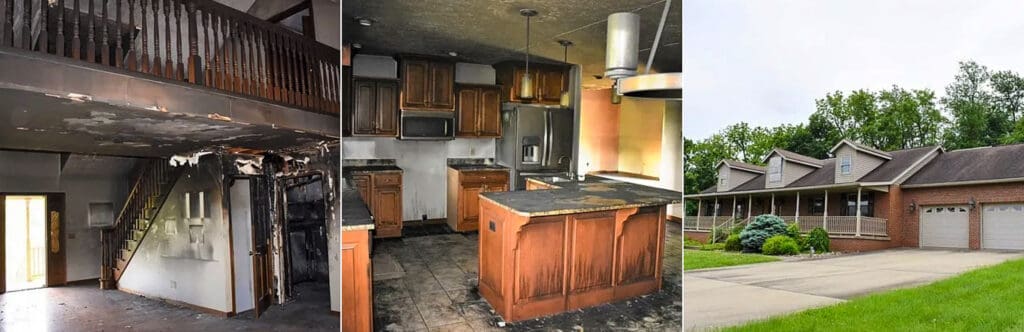
Allar, along with Detective-Sergeant Jordan Blumling, spent three-and-a-half years investigating the double murders of Angela and Tom Strussion, a couple discovered deceased during the early morning hours of Sept. 21, 2021. An early-morning report of smoke flowing from a window in their Trails End Road home led first responders to find the male and female.
Andrew Griffin, a 32-year-old Oklahoma native who was a business partner with Tom Strussion, was arrested in Hilo, Hawaii, on February 18th on two counts of aggravated murder connected to the deaths of the Strussions. He was extradited to Belmont County on March 14th and appeared yesterday for a pretrial hearing in front of Judge Chris Berhalter.
Allar and Blumling meet with Belmont County Prosecutor Kevin Flanagan most mornings to review their compiled facts and collected evidence for the Griffin prosecution, but they now have more time to bring life back to the county’s cold cases.
“I won’t say I enjoy working cold cases,” he said. “But we have a responsibility to keep the flame lit for the families, and that’s what I do like about it. If we do solid work now, we may or may not solve these cold cases, but when we don’t, maybe the people who replace us will someday. Our hope, though, is that we do everything humanly possible on these cases so we can bring some closure to those families.
“Cold cases are very difficult to work because of the years that have passed, but we might get lucky thanks to the technology. We just don’t know what might be hiding around the corner right now,” Detective Allar added. “The new tech is really amazing.”