

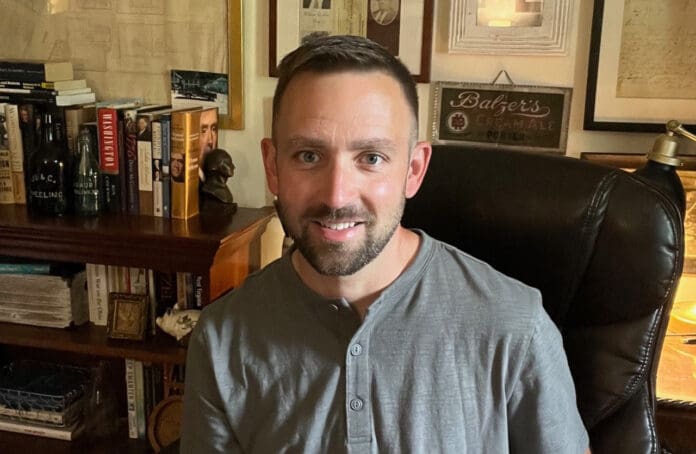

His high school students at Wheeling Park usually are surprised to learn the Wheeling Suspension Bridge once served as the original “Gateway to the West” and that Fort Henry was operational in downtown Wheeling during the Revolutionary War era, but the adults attending his monthly Saturday sessions have added to those historical conversations over the past eight months.
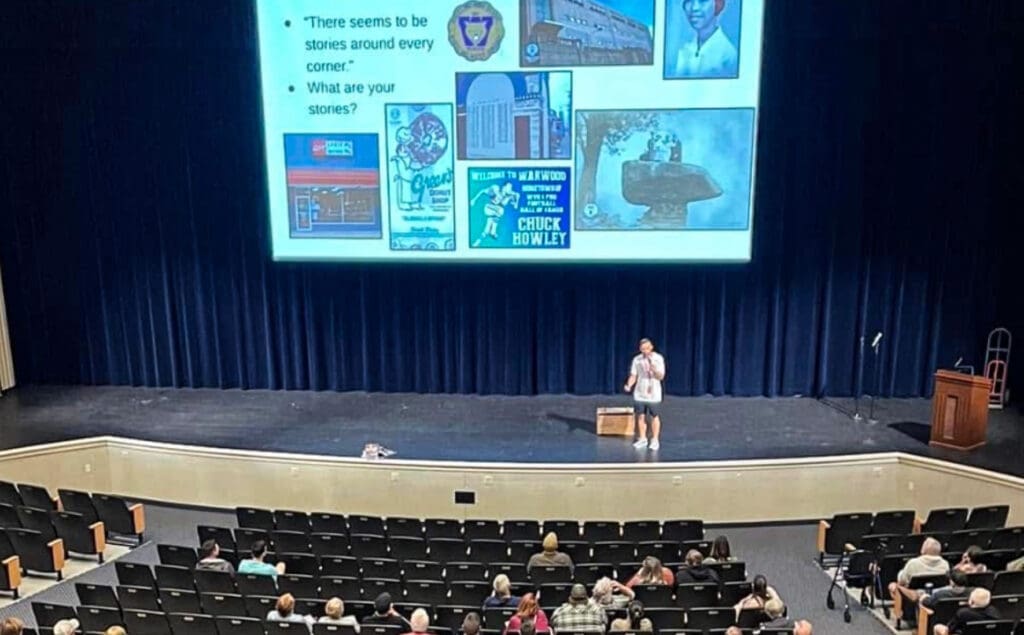
The classes, made possible through a partnership between Ohio County Schools and Wheeling Heritage, were staged inside the J.B. Chambers Performing Arts Center at Wheeling Park High School and usually attracted between 150-200 local residents. The topics included Wheeling Island, Wheeling Steel, the Civil War and the creation of the state of West Virginia, and the history of organized crime in the region.
History teacher Ryan Stanton, an educator who has taught a “History of Wheeling” elective class at the high school for more than a decade, served as the instructor.
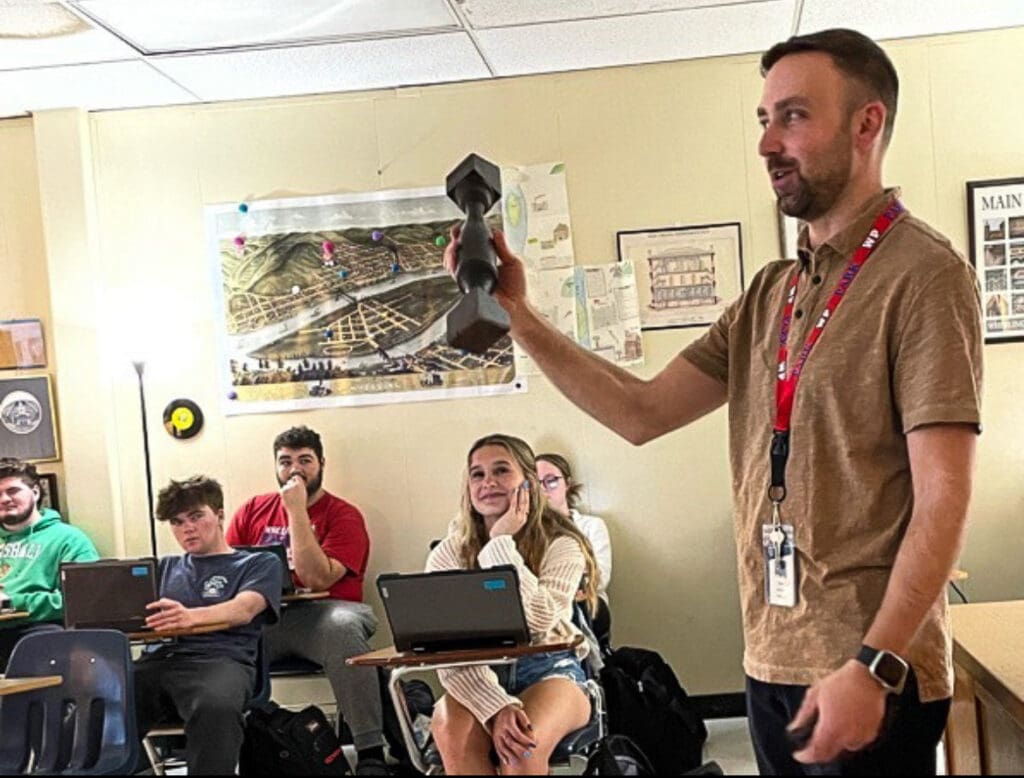
“Overall, everything went very well, and I ended up learning a lot from our speakers, and from the people who attended, too,” Stanton said. “What made it worthwhile is the fact so many people kept coming back to learn more and more, and they shared their stories about their memories about some of the history we discussed.
“One of the best parts was when some of the people brought photographs and objects and memorabilia to the sessions,” he said. “When those folks did that, it made it all real, and that’s why I’ve been a collector of artifacts from a lot of the history of Wheeling I find most interesting.”
Stanton prepared a primary topic for each of the eight sessions, but he also provoked conversation on some subjects he believed to be less popular. On more than one occasion, the pupils surprised the teacher.
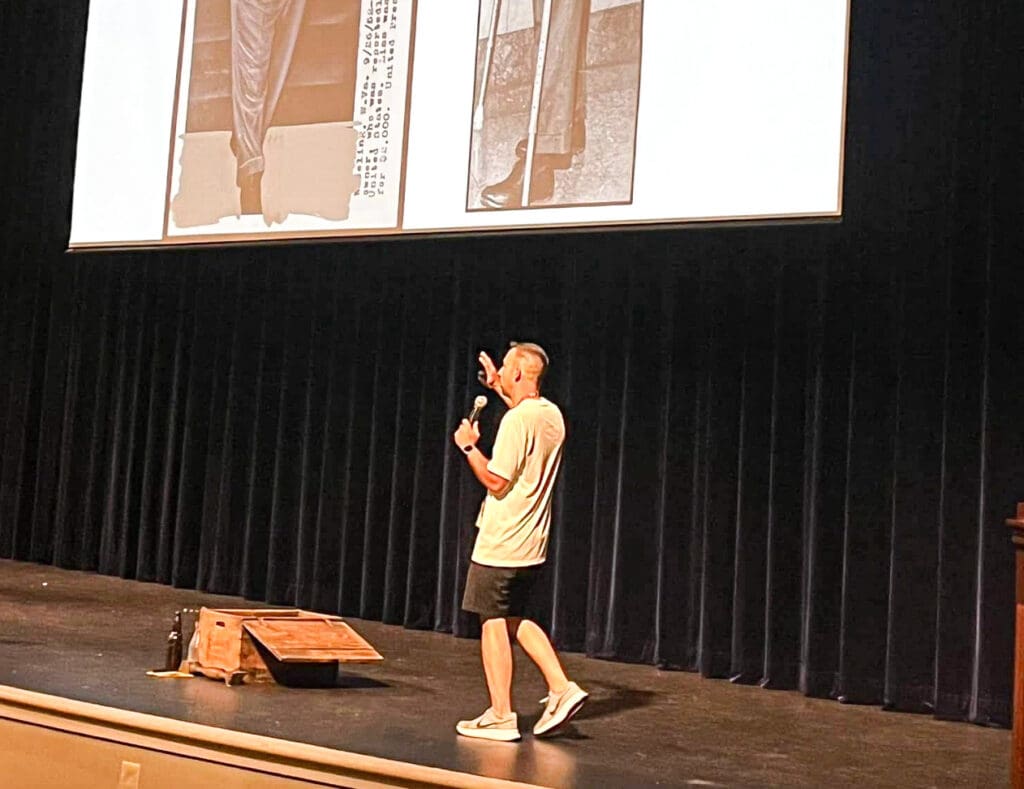
“Before each topic during the class, I did what I call the ‘Wheeling Warmups,’ and some of those topics ended up being some of the favorites for those who attended,” Stanton explained. “And pretty often, a few people in attendance knew something about a house or a person. When that happened, it really brought the history to life. The warmups were supposed to be five-minute intros, but pretty often they led to 20-minute conversations.
“We have a lot of properties in the Wheeling area that are very old and have ties to key periods of time for the city, and on several occasions, we had people who knew a lot about them,” he said. “So, it was little things like that I didn’t really expect to be such huge successes but really brought out a lot of memories with people. One topic was the Benwood Mine disaster, and while most folks didn’t know much about it, one person had an ancestor who died in the tragedy, and they told a lot of stories about it.”
School’s Out for Summer
The good news – there’s more to learn.
The better news – Summer break is underway for Stanton and all of his students.
The best news of all – the weekend sessions, the educator reported, will return on the first Saturday of September.
“We’ll be back inside the (J.B. Chambers) Performing Arts Center to begin our conversations again,” he revealed this week. “When I first started thinking about the topics for the adult class, I was determined to cover the Frontier era, transportation, and the story of statehood, for sure, but it’s expanded from there and the people have enjoyed that.
“There’s so many different stories about West Virginia, and how it came to be such a terrific story,” he said. “And most of that story took place here in the Wheeling area and I know it’s a lot of fun for my high school students and for the adults to realize they live where that history was made more than 150 years ago.”
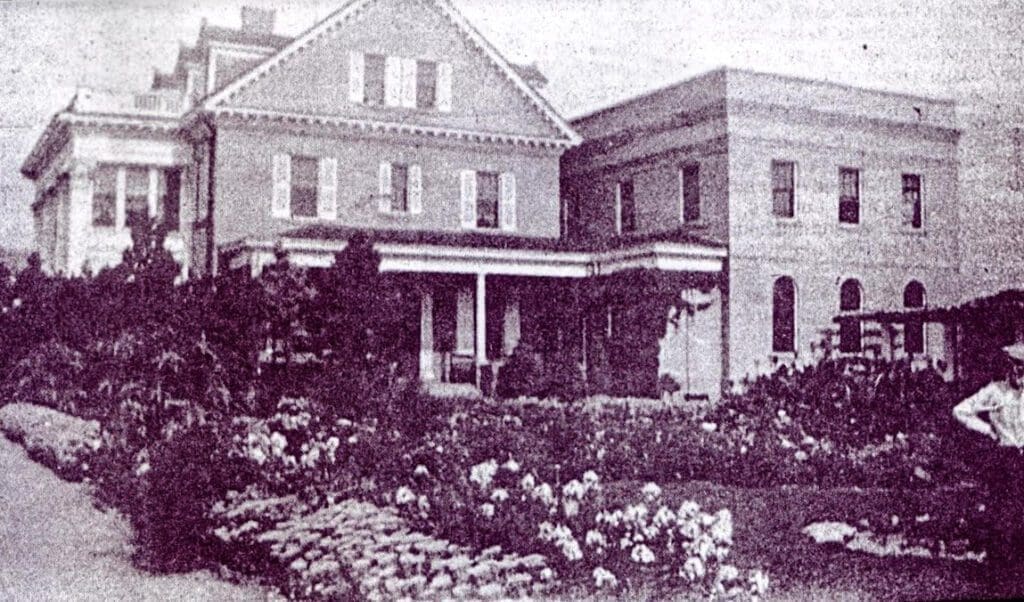
Stanton, himself, has researched the history of beer in the Friendly City, especially since a pair of brewers became important historic figures in the history of Wheeling. Anton Reymann, for example, not only founded the Reymann Brewing Company, but he developed the Manchester area and the operation into the largest in West Virginia.
Henry Schmulbach, a brewer who produced his beers in South Wheeling, was the founder of the German Bank of Wheeling, an institution that eventually became Wesbanco Bank.
“I’ve researched the Reymann and Schmulbach breweries a great deal, and one thing I’ve learned is that there are so many stories about Wheeling that involve those two men,” Stanton said. “There are still buildings that stand today, including the Schmulbach Building that most people know as the Wheeling-Pitt. But Reymann and Schmulbach did a lot more than brew beer.
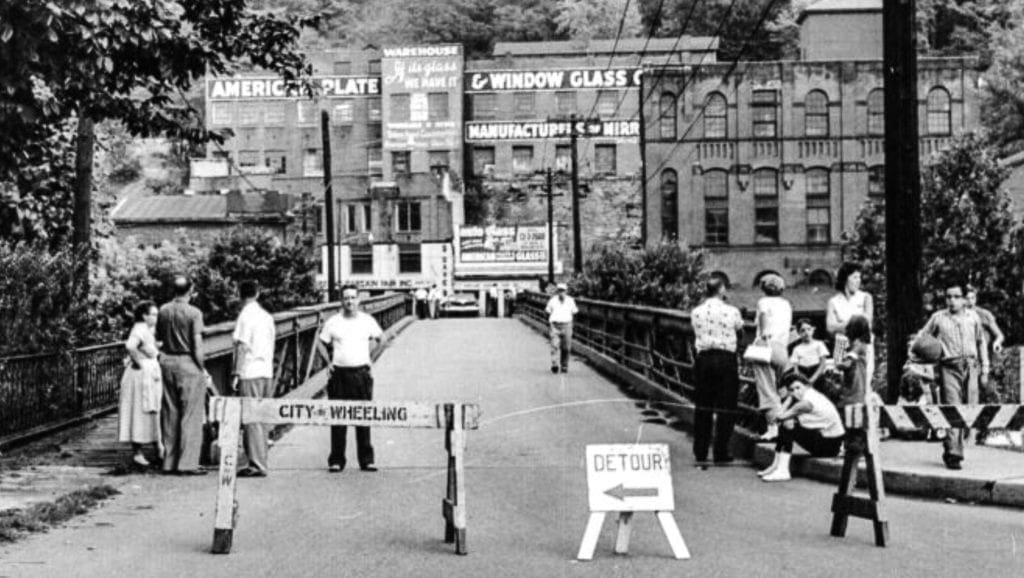
“They both were very philanthropic, and they both left their mark, and when the people start connecting the dots, you can tell they love learning more about where they live,” he explained. “There’s always more when it comes to the history of Wheeling, so I don’t think I’ll run out of material anytime soon.”
Once again, local residents will assist Stanton with his lesson plans.
“When we get restarted in September, the topics will be some things I know the public will enjoy, and I’ll also take suggestions again from the crowd about what they want to discuss. It’s always a better conversation when a lot of people get involved with it,” Stanton insisted. “One topic will be the Civil War and how the city of Wheeling was involved. I don’t know how many people realize what that looked like around here.
“It’s really about what people want to hear about, and the Saturday sessions definitely have made the regular class even better because of the addition of so many topics. The high school kids usually are pretty surprised about our history here,” he said. “The adults on Saturday, though, seem to know a lot about it and they enjoy learning even more.”