

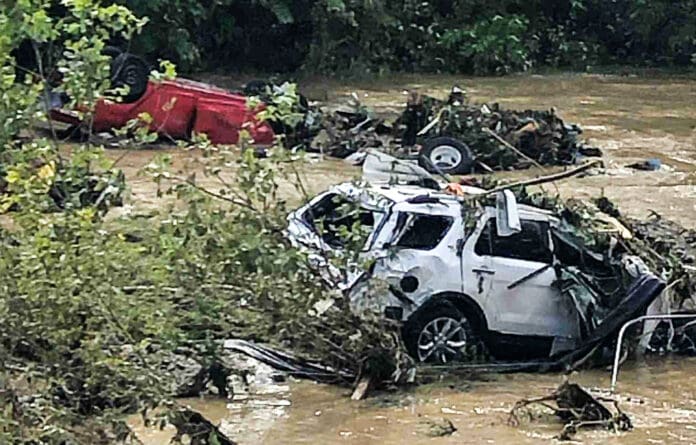

When the rain finally stopped in Ohio County, West Virginia, on that devastating June night, the damage was overwhelming.
Tragically, lives were changed forever. We now know eight, likely nine people lost their lives. Roads collapsed. Homes were washed off their foundations. Families lost everything from vehicles to garages and homes. But as the muddy waters receded, something else began to rise.
The aftermath of a flood is always the hardest part. It’s when the cameras leave and the national headlines fade, and yet the mud remains caked on living room walls, lodged in church pews, coating the floors. Removing this is where the real work begins.
Even before the emergency declarations started being processed, residents from across the Upper Ohio Valley and beyond have shown up in boots and gloves to help each other muck out basements, tear out soaked drywall, and carry ruined furniture to the curb. Nobody needed to ask who needed help. People simply started knocking on doors.
Volunteer fire departments, already exhausted from days of rescue operations, switched gears into recovery mode. Many of them experiencing damage at their homes as well. The Triadelphia Volunteer Fire Department sustained considerable damage. Yet, they have hauled supplies, coordinated water drops, and even helped answer questions of residents who were not sure where to turn.
Several locations across the community turned into donation hubs. Truckloads of bottled water, cleaning supplies, baby items, and nonperishable food arrived, and community members lined up to distribute them. So many volunteers have made it possible. There is so much to sort, unload, and load. Neighbors handing essentials to another, with no questions asked.
For every dramatic rescue during the flooding, there were a hundred quiet acts of service in the days that followed. Teenagers from local sports teams or schools’ groups have volunteered to sort and load donations or carry debris out of residents’ yards. Many groups have offered and continue to provide free meals.
In places like Triadelphia and Valley Grove, where the damage was most severe, people have worked sunup to sundown just to restore a semblance of normalcy.
Cleanup is both physically and emotionally exhausting. It is not just about removing mud. It is about salvaging what is left. Sometimes one is lucky enough to find a child’s favorite toy, a family Bible, or a single dry photograph. Volunteers do not just bring bleach and trash bags; they bring empathy. They listen. They are offering hugs and quiet support in moments where words felt inadequate.
The outpouring of support is coming from both near and far. County emergency services have coordinated with state and federal agencies to bring in heavy equipment and damage assessors. But it was the local response, all the volunteers and businesses that show up every day. They bring consistency and compassion with them.
Social media has become a lifeline for so many. Community pages have been sharing updates about road closures, donation needs, and available resources. Posts about a flooded home are often resulting in dozens of comments from people offering a hot meal, a warm shower, or a place to do one’s laundry. There are many posts seeking or offering furniture to help people rebuild their lives.
If there is one thing West Virginians know how to do, it is to take care of each other. Flooding is not new to this state. There have been several floods around this state. Many locally, speak of the 2004 flooding from Hurricane Ivan or Weegee Creek in 1990. The memories of the twenty-six lives lost in 1990 or stories of others who were affected have been shared.
With every flood comes a renewed sense of togetherness. It is often said that in small towns, everyone knows everyone. In times of disaster, it becomes clear that more than that, everyone looks out for everyone. Even those who were not directly affected found ways to help. Teenagers with strong backs offered their labor. Others have baked casseroles. Several businesses have opened their locations for emergency distribution centers, many until they were full.
Ohio County may be waterlogged, but it is not defeated.
The hard truth is that recovery takes time. FEMA paperwork can be confusing. Insurance does not always cover what has been lost. Emotional scars often outlast the physical ones. Some lives have been changed forever.
Mental health professionals have stressed the importance of counseling, especially for children and the elderly. Churches and nonprofits typically are involved with organizing grief and trauma support groups. Oftentimes, the local school system will check on affected students to ensure they have the tool, not just for summer feeding and learning, but to make sure they have what they need to heal.
When the floodwaters surged, they tested more than just the strength of bridges and culverts. They tested the strength of the people, and the people held strong.
What was left behind is not just mud and debris. It is also a powerful reminder that community is not a luxury; it is a necessity. It is knowing you can knock on your neighbor’s door, and they will answer. It is finding grace in a stranger handing you a sandwich. It is the comfort of a familiar voice saying, “You are not alone.” It is just seeing the number of people who are willing to help.
In Ohio County, the cleanup continues. There are still streets to clear, homes to repair, lives to rebuild. But the work is being done side by side, with shovels in hand, arms linked in effort, and hearts wide open. Let us never forget those who have lost their lives or the families in whose lives the hole will never leave. Let us treat people with grace.
Because in times of need, this community does not fall apart. It pulls together.