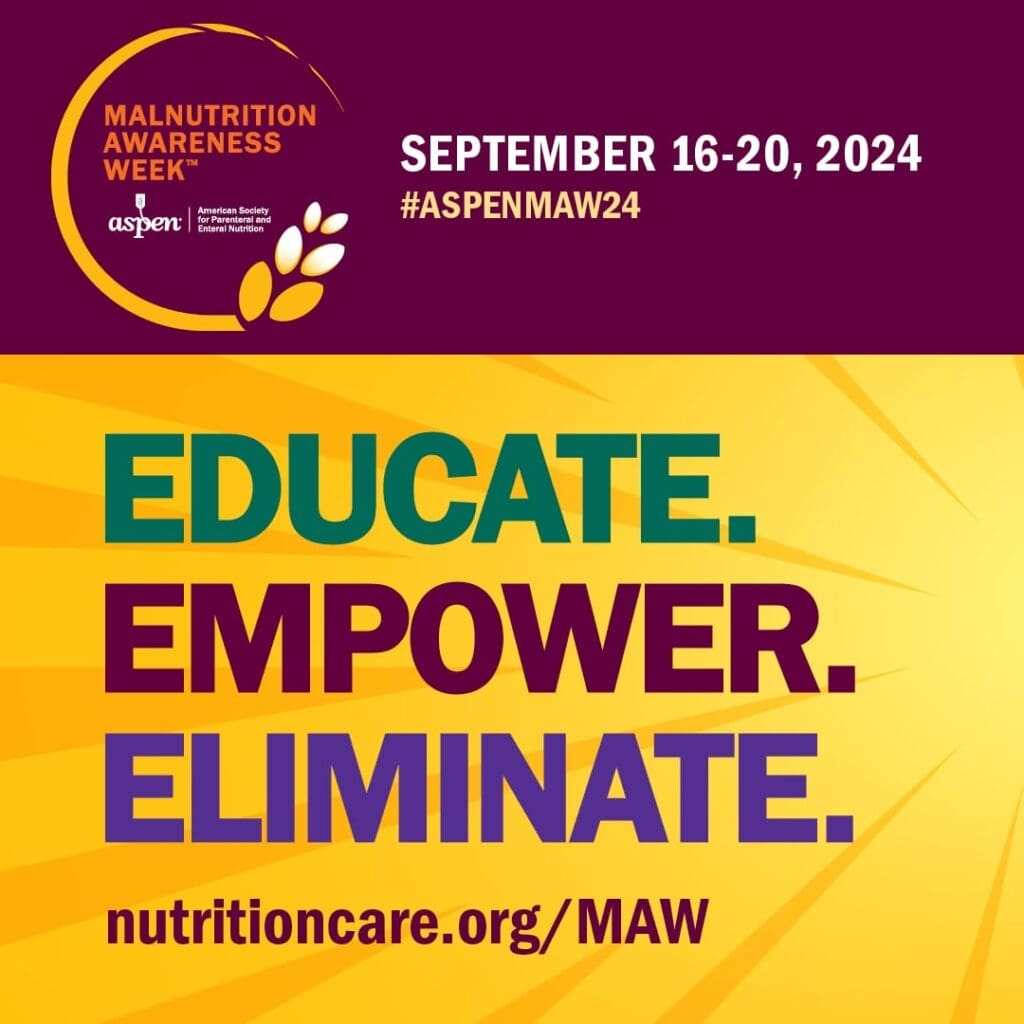


Today marks the beginning of Malnutrition Awareness Week (MAW), which continues through this Friday, Sept. 20.
MAW is an annual campaign developed by the American Society for Parenteral and Enteral Nutrition (ASPEN) to shed light on nutrition’s vital role in health and recovery.
Trinity Health System is committed to providing important, actionable information to the Ohio Valley on this pervasive issue.
To that end, we asked Anna Makricostas, MS, RDN, LD, CNSC, Lead Clinical Dietitian, Trinity Health System, to answer a few questions about malnutrition and what the general public should know about the topic:
What are some common myths about malnutrition?
There are a few myths that are commonly believed, especially when it comes to the nature of malnutrition and which demographics can be impacted by it.
Malnutrition can actually be acute or chronic. And while it may be more common among older adults, malnutrition can also impact people of all ages, sizes, and disease states.
The importance of nutrition sometimes gets overlooked, but malnutrition can affect someone’s ability to heal and fight illness, as well as impact their daily activities.
It can develop quickly or gradually, and healthcare professionals should focus on early detection, prevention, and treatment.
What are some important facts that people should know?
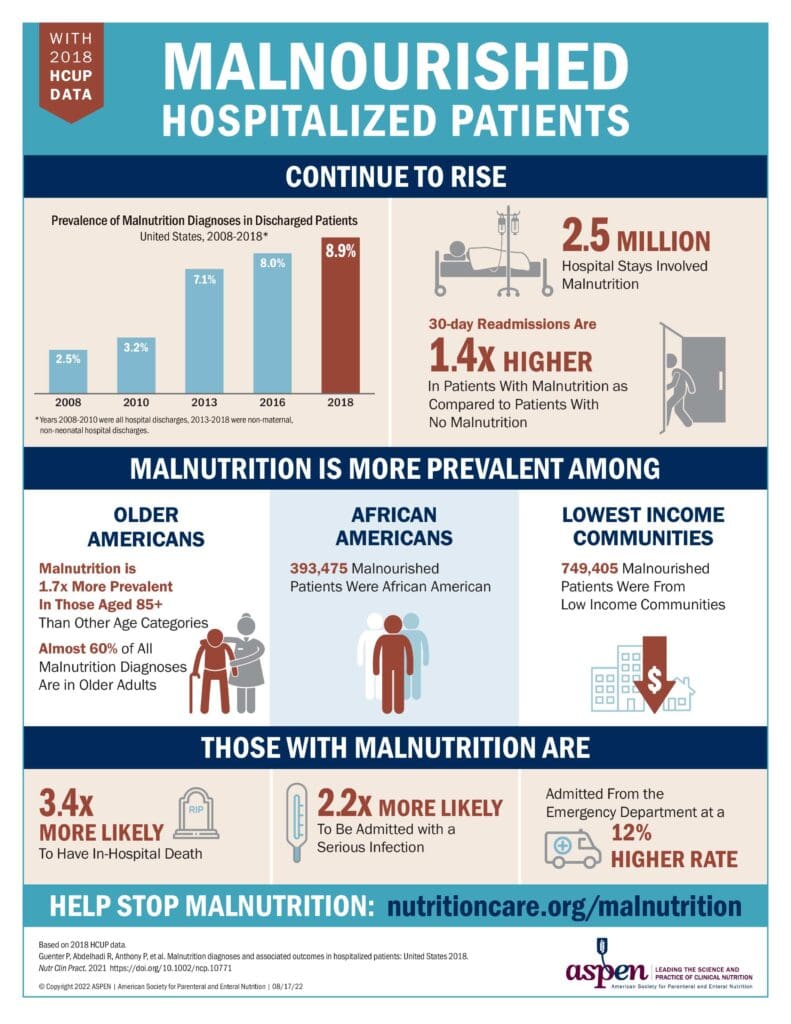
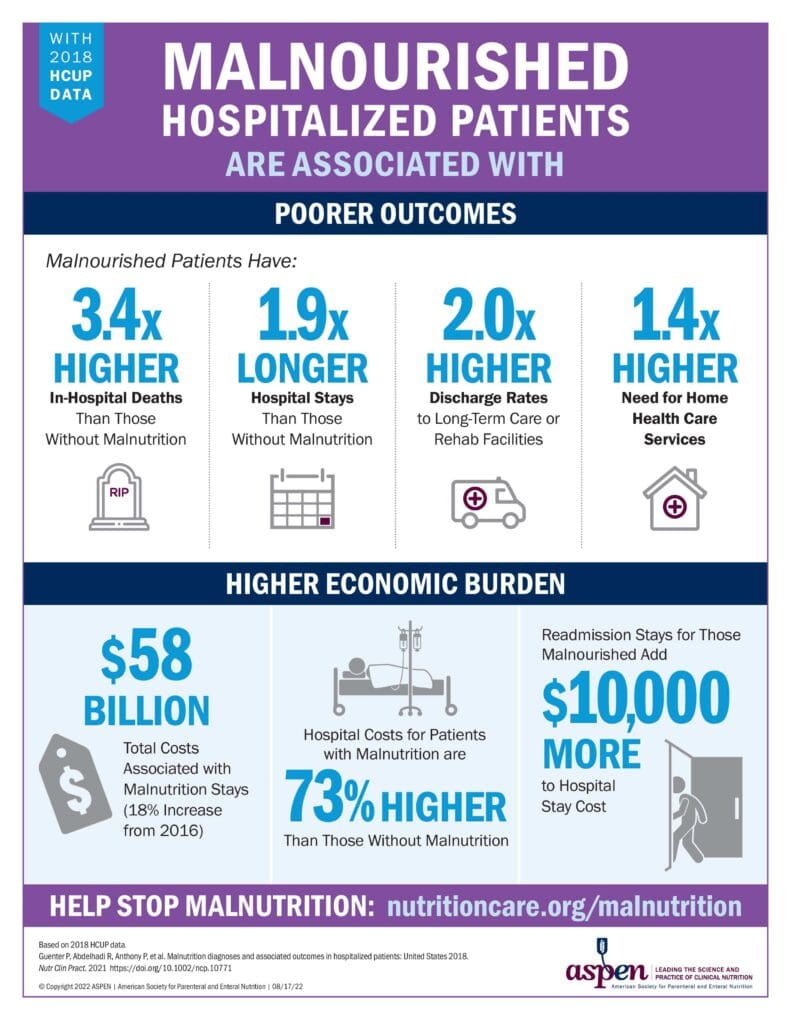
ASPEN reports that malnourished patients have 3.4 times higher in-hospital deaths and 1.9 times longer hospital stays than those without malnutrition. The discharge rates to long-term care or rehab facilities are two times higher for malnourished patients, and they have a 1.4 times higher need for home health services.
There’s also a high economic burden associated with malnutrition. ASPEN reports
$58 billion in total costs associated with malnutrition hospital stays, and malnutrition increases hospital costs by 73 percent.
What are the signs that someone is malnourished?
Loss of appetite and decreased intake, unintentional weight loss, degree of muscle wasting and fat loss, weakness, and fluid accumulation are all factors to consider when assessing for malnutrition or even risk for malnutrition.
What’s the main message you’d like our community to know about malnutrition?
Malnutrition can greatly impact patients and their loved ones. If someone is exhibiting signs of malnutrition, they should be encouraged to speak with their healthcare provider.
Working with a Registered Dietitian Nutritionist can also help patients optimize their nutrition status. People can learn more by visiting https://www.nutritioncare.org/malnutrition/.