

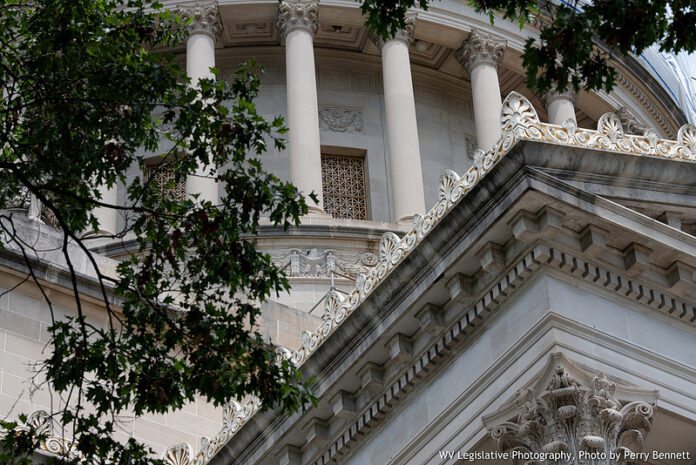

With just three days remaining in the regular session of the West Virginia Legislature, the pace inside the gold dome of the State Capitol inevitably shifts from methodical debate to a sprint toward the finish line.
Committee rooms are more crowded, and the calendars grow. Legislators, staff, lobbyists, and constituents all watch closely to see which ideas survive the final stretch.
The last five days of the legislative session are rarely calm.
Instead, they tend to be defined by a few recurring dynamics. Priority bills are moving quickly, nearly out of time. Amendments are appearing unexpectedly. Negotiations are intensifying behind the scenes. This year is no different. This year is no different than any other election year, particularly the ones since the cameras went on the floors.
One of the biggest themes during the closing days is the race to get bills across the finish line before the clock strikes Saturday night at midnight. Many proposals that seemed to move slowly earlier in the session suddenly gather momentum. Leadership often works to advance priority legislation that reflects the goals of both chambers and the policy direction of the state.
Budget matters, of course, always sit at the top of that list. The state budget is the one bill the legislature must pass. Lawmakers have reviewed revenue projections, considered funding priorities, and weighed in on how best to allocate resources for programs that impact education, infrastructure, health services, and economic development. Even when consensus exists broadly, the details can spark significant debate.
This year, for the first ever in my recollection, the legislature has sent the governor their budget. Early. Will he sign it. The time is running out for him to take action. While the legislature is in session, he only has five days.
Another hot topic in the closing days typically centers on education policy.
West Virginia lawmakers frequently spend considerable time discussing issues related to schools, workforce training, and higher education. Whether it involves funding formulas, curriculum discussions, or teacher workforce concerns, education legislation often becomes part of the late-session conversation because of its long-term impact on the state’s future. The legislature is still discussing some of these topics.
Energy policy also continues to be a consistent focus. Legislators have been having spirited debates about the energy policies of the state. Just today, on day 55, the Senate Energy Committee crammed one of its pieces of legislation into two different House bills. One of these bills was the Governor’s bill to develop a comprehensive energy development policy and plan for the Office of Energy. I wonder how the Executive is going to feel about that.
Another category of bills that often surfaces during the final days involves regulatory reform and economic development. Lawmakers regularly consider proposals intended to streamline permitting processes, encourage business investment, or adjust rules affecting specific industries.
Supporters argue these measures help keep West Virginia competitive with neighboring states, while opponents sometimes raise questions about oversight or unintended consequences.
Healthcare policy can still be feverishly discussed this late in the session. There are proposals involving licensing, insurance coverage, or healthcare workforce issues often generate spirited discussion. With many rural communities facing provider shortages, legislation aimed at expanding healthcare access frequently attracts bipartisan interest, though the details of how to accomplish that goal can often differ.
The final five days of the session are not just about policy; they are also about process. Bills must move quickly through committees, be placed on the appropriate calendar, and pass both chambers before reaching the governor’s desk.
The compressed schedule means legislative staff play an essential role in ensuring that amendments are drafted correctly, bills are prepared for the floor, and procedural requirements are met.
Anyone who has spent time in the building during the final week knows that the people working behind the scenes are often just as busy as the elected officials casting votes. The clerks, attorneys, committee staff, and policy advisors work long hours reviewing language, coordinating amendments, and keeping the machinery of government running smoothly.
Meanwhile, outside the chamber doors, advocates and stakeholders closely monitor the progress of legislation that affects their industries, communities, and families. In these final days, phone calls increase, meetings multiply, and last-minute efforts to influence legislation become more common.
It is all part of the democratic process that unfolds each year during the legislative session.
Of course, not every bill will make it across the finish line. In fact, many proposals that generated considerable attention earlier in the session will ultimately run out of time. Some will try again and return next year in revised form. Others will quietly fade away.
That reality is an important reminder that the legislative process is rarely about immediate wins or losses. More often, it is about building consensus, refining ideas, and continuing conversations that shape policy over time.
As the final three days unfold, observers should expect long floor sessions, spirited debate, and perhaps a few surprises along the way. Some grenades will likely be thrown. That is simply the nature of a legislative body working against a deadline.
For legislators, staff, and the public alike, the closing stretch offers a front-row seat to the balancing act that defines representative government.
It is about weighing priorities, negotiating differences, and ultimately making decisions that will affect West Virginia long after the Speaker and Senate President bang the gavel and declare the second term of the 87th Legislative Session adjourned Sine Die.