

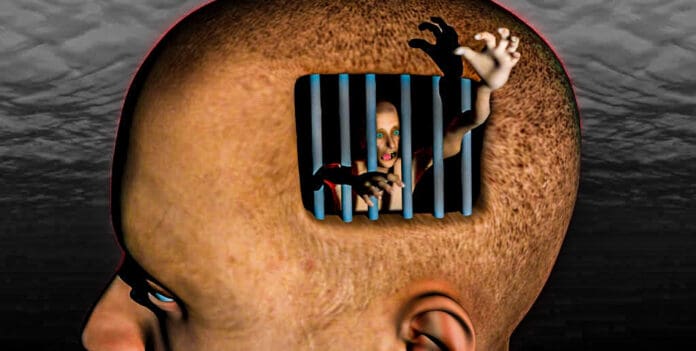

It’s not news to many older Americans (approximately 17.3% of the population is 65 years plus), that our bodies and brains change as we age.
We may have difficulty reading the fine print on EVERYTHING. Our hearing diminishes, and this is worsened with prolonged exposure to loud noise. Adaptive devices (glasses, hearing aids, closed-captioning) help correct some issues.
Additionally, our brains change as we age. It may take a little longer to retrieve or process information especially speech patterns.
There is also dementia – memory loss that affects how well we do with daily activities. With dementia (which affects approximately 6 million Americans), memory, problem-solving skills, and decision-making abilities decline, and activities become more challenging.
Because we don’t know what we don’t know, we need to check on our loved ones. We think our loved ones are doing well. Their conversation seems OK although they may repeat some things. They don’t complain about bills or finances. They seem to be getting groceries without any problems. They don’t ask for help. They must be managing their lives without any problems. Or are they?
Is there mail stuck in a drawer? You may find utility shut-off notices, delinquent bills, or uncashed checks. Perhaps there have been no taxes filed for years. You may find food in the refrigerator that expired a LONG time ago. You may find unopened packages or items with sales tags still attached.
You can see how getting scammed is among the risks for those with dementia. The person with dementia has impaired judgment, insight, and processing abilities. Their memory is impaired and maybe their hearing is impaired. They may be unaware that scams exist or that they could become a victim. (One study even shows that “low scam awareness” may be related to future Alzheimer’s or dementia or mild cognitive impairment as alterations in judgment happen before more drastic changes.)
The person with dementia is the “perfect candidate” for scammers. What can you do?
“Cognitive Decline Can Lead to Financial Struggles and Scams—Here’s What to Look For” gives consumers some ideas on how to protect loved ones.
- Learn the signs of dementia and the signs of hearing loss.
- Encourage your loved one to get a medical evaluation and a hearing exam. By the way, hearing loss is a huge concern for everyone, and, can increase anyone’s vulnerability to getting scammed. Hearing loss can affect us socially and can contribute to depression. Hearing loss has been identified as a risk for dementia, according to The Hidden Risks of Hearing Loss.
- Talk to your loved one about their advance directives including their Durable Power of Attorney and Medical Power of Attorney. The authority to act as an agent must be granted. If the person lacks capacity, court intervention may be necessary.
- Learn about their finances and arrangements.
- Visit your loved ones. Be engaged with them. Be involved.
Stay safe. Help your loved ones stay safe.