

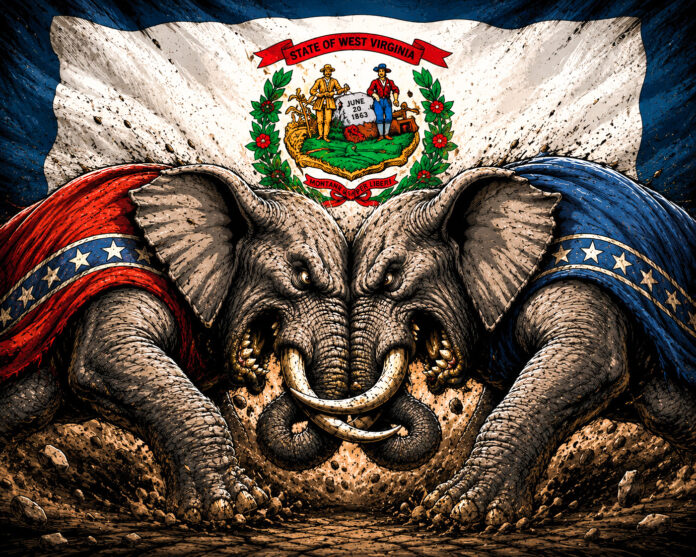

The ballots have been cast.
Campaign signs will start to disappear from front yards and roadways. The endless stream of mailers, television ads, text messages, and social media posts will finally quiet down. I know I am not alone in saying thank goodness this West Virginia primary election is over.
No matter which candidates voters have supported, most people across the state probably share at least one feeling this week: Exhaustion.
For many months, West Virginians were bombarded with accusations, carefully edited ads, and enough political posturing to make it difficult to separate real issues from manufactured outrage. Candidates crisscrossed the state promising to save West Virginia from one crisis or another, while outsiders poured massive amounts of money into races most voters barely knew existed a year ago.
By Election Day, most residents likely felt less inspired than simply relieved it was ending. That should concern all of us.
Campaigns are supposed to be contests of ideas. Elections should challenge candidates to explain their vision, defend their records, and persuade voters that they are the best prepared to serve. Healthy debate is essential in a democracy. Disagreement is not only inevitable, but it is also valuable.
Increasingly, our political culture seems less focused on solving problems and more focused on creating enemies. Statements about “mixing it up in the primary” ring in my head, along with a deep feeling of disgust for the candidate who said it. Somewhere along the way, the conflict itself became the strategy.
West Virginia is not immune to the national trend of divisive politics. In many ways, our smaller state magnifies it. Political disagreements that once stayed mostly inside the Capitol or party meetings now follow us to churches, school events, ball games, workplaces, and family dinners. Social media only makes it worse. Every disagreement becomes a battle. Every compromise is treated as betrayal.
This primary has become more like a war for the soul of the party.
Let’s be honest, very few of the candidates pictured with President Trump on these colorful mailers have ever had any interaction with the Commander in Chief. Yet many campaigns tried to present these photos as proof of political loyalty. The goal is obvious, to create an emotional shortcut for voters instead of discussing the real issues facing the state. At its core, it is simply sad.
The question worth asking now that the primary is over is simple. Is West Virginia actually better off after all of it?
Did the millions of dollars spent on negative advertising improve roads, create jobs, lower healthcare costs, or help struggling families? Did the onslaught of mailers make communities stronger? Did the constant accusations improve public trust in government? Many conversations I have had, indicate it has left voters cynical, angry, and exhausted.
Will our legislature work more effectively with the executive who tried to handpick the representatives of some districts? Will that relationship deteriorate further? It is difficult to imagine tensions getting much worse than they already have been, but that is exactly what could happen. Depending on who is elected, this will determine how this relationship evolves.
The gloves are clearly off.
Unfortunately, modern politics often rewards the loudest voice instead of the most thoughtful one. Governing becomes secondary to attention-grabbing headlines, viral social media posts, or performative outrage. Yet once the election is over, the reality of governing remains exactly the same as it always has been. Roads still need to be paved, budgets still need to be balanced, schools still need to be funded, and communities still need to be represented.
None of those things happen through grandstanding alone.
West Virginia has always worked best when people understood the value of relationships and collaboration. Historically, some of the state’s greatest accomplishments have come from leaders who disagreed on many issues but still recognized the importance of working together when it mattered. They understood that politics is not supposed to be permanent conflict, especially within the same party.
It is supposed to be PUBLIC SERVICE.
I am not saying one should abandon his/her principles. It does not mean voters should not hold elected officials accountable. It simply means recognizing that winning an election is not the same thing as governing effectively. Campaign slogans eventually give way to committee meetings, budget negotiations, constituent services, and the slow, often frustrating work of legislating.
Despite how politics is portrayed today, compromise is not weakness. In a representative democracy, compromise is often how progress happens. It is the only way, and it scares me to think people contemplate supporting candidates who are unwilling to compromise.
West Virginians are practical people. They care less about political theater and more about whether their communities are improving. They want safe neighborhoods, good schools, reliable infrastructure, economic opportunity, and honest leadership. Most voters are far less interested in ideological purity tests than political consultants would have us believe.
Perhaps that is the lesson worth remembering after another bruising primary season.
This primary election will soon be over, but the responsibilities of leadership are just beginning for those who won. The community breathes a collective sigh of relief before campaigning for the general election begins. Who will see success this primary may determine who sees success in the fall. Hopefully, the general will be more focused on ideas, but that will depend on who prevails today.
As the state steps away from the primary, I am hopeful the temperatures cool, but I doubt some will. Lines have been crossed. Threats have been made. Hopefully, reasonable heads will prevail, and political division will not consume every aspect of civic life, at least for a time.
We need to remember neighbors are still neighbors. Families are still families. Communities are still communities. West Virginia is too small, too interconnected, and too dependent on one another to allow politics to permanently fracture relationships.
At some point, every election cycle ends. The signs come down. The ads stop running. The phones stop buzzing. Life moves forward, and maybe that is not such a bad reminder after all.
Because long after the outside money dries up, West Virginians still have to live, work, worship, raise families, and build communities together. The future of the state will not be determined solely by who won a primary election.
It will be determined by whether we can move past the constant divisiveness and remember that governing requires more than simply defeating the other side.
(Cover image by Dee Parr)