

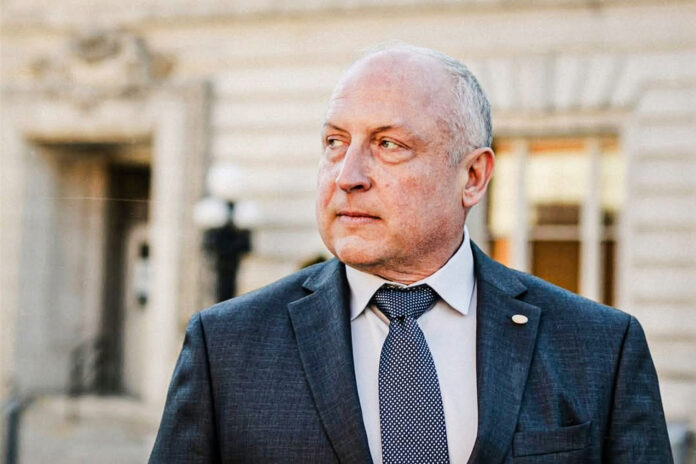

There were times during his three years as a member of the House of Delegates when Bill Flanigan sparred hard with his fellow lawmakers over proposed policy because of a little something called the state’s Constitution.
He warned them, too.
And now that he’s been elected to the Supreme Court of Appeals, Flanigan is looking forward to the day when he and his High Court colleagues have the chance to correct those mistakes (while maybe making that “neener-neener-neener” sound) while interpreting state code the way it was intended.
“I’m looking forward to being able to apply the laws as the legislation determines them to be applied. Not how I want them applied, but how they are intended to be,” Flanigan insisted. “I’ve offered amendments to laws I believed were unconstitutional, and some of those amendments were accepted, and some of them weren’t.
“I’m looking forward to the time when one of those laws comes before us,” he said. “It will give me the chance to help get it right. I think that’s probably one of the coolest things I’m going to be able to do.”
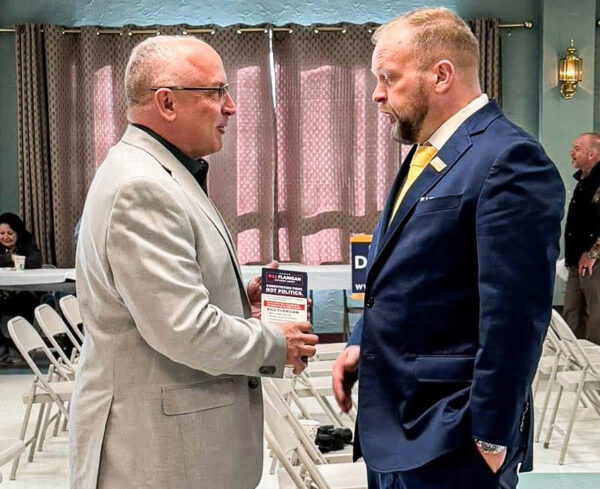
That’s why he campaigned the way he campaigned. Flanigan visited all 55 counties in West Virginia and didn’t hide his love for the state or for its people while attending a plethora of “Meet and Greets” hosted by both Republicans and Democrats. He ate all the chicken and roast beef dinners, and, yes, shook every extended hand and kissed baby after baby while meeting all the people and answering all the questions – the ones he’s allowed to answer, anyway – so he could have the chance to officially fill the vacancy left by the retirement of Justice Beth Walker in June 2025.
Along the way, he advised everyone he could to review his legislative career as a check into his character, and people were impressed, Flanigan still believes, that a candidate for the Supreme Court would travel to all corners and valleys of the state. In fact, he credits those trips for his decisive, 114,828-82,477 victory over appointed Justice Thomas H. Ewing on May 12th.
“I hope people voted for me because of my honesty, and because I’m very upfront with everyone,” the Justice-elect said. “My voting record as a legislator speaks to my ideals and what I stand for without me having to say a word because of the restrictions we’re under when speaking publicly and to the media.
“I’m hoping that (voting) record helped residents quite a bit when it came to voting for me because I’m proud of my work as a lawmaker. It allowed them to believe that I’m going to stay on point and stay with what the law is,” he said. “That was always my main concern because most amendments I put on bills dealt with keeping a law constitutional, and that was something that was always been important to me and always will be.”
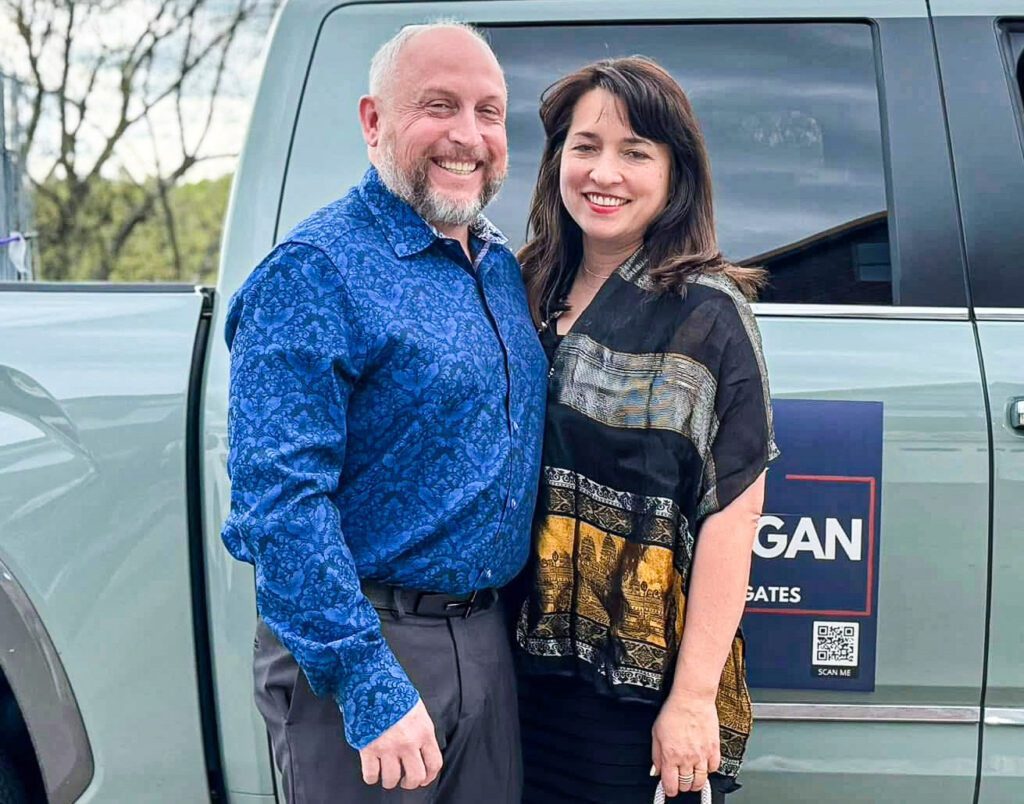
That was the plan – just be Bill – but it wasn’t easy because Flanigan is a family man.
“I’ll admit it. I had some tough days during the campaign because I was out there all alone, living out of hotels. I missed my family so much,” Flanigan said. “And it was difficult to get a real meal because I didn’t really have the time to eat at the different functions and events because I was busy trying to speak with everyone. There were a lot of nights at 9 p.m. when I would realize I hadn’t eaten anything.
“Then there were other days when I attended three different dinners and had eaten far too much,” he said with a smile. “I know one of these days I’ll be able to get back to my routines with my diet and working out, but nothing will be normal again thanks to the voters of West Virginia.”
And now he goes to work, and even though Gov. Patrick Morrisey has yet to schedule his swearing-in ceremony, Flanigan has visited Charleston to meet future staff members, to interview prospective clerks, and to gather a lay of this new and exciting land.
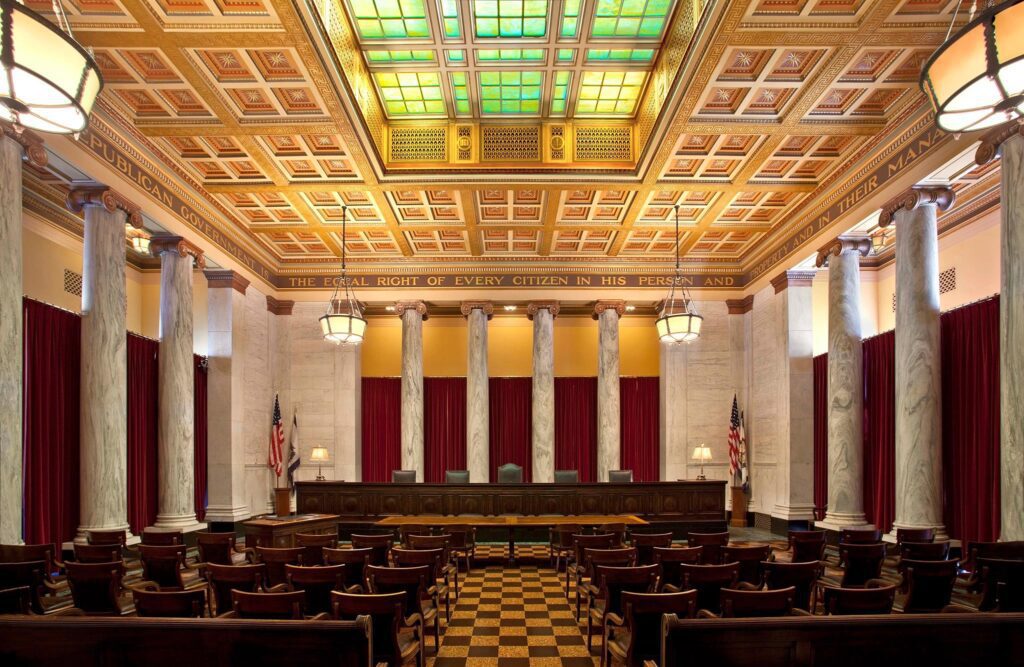
“The job description is that we’re going to be sitting on top of the West Virginia court system. We make the decisions from the top down,” Flanigan said. “We will be reviewing the lower court systems to make sure the laws were applied correctly underneath, and I want to see a better consistency in our courts.
“I’ll be one of five, and we’ll sit down together, listen to arguments, and we’ll make the decision on whether the law was followed the first time correctly. And if it wasn’t, we will remand it back down with a new order saying, ‘This is what we think you need to look at’,” he explained. “We get to look at what’s preserved that was objected to or appealed, and that’s really what we’re limited to.
“It’s about our Constitution. That’s the job. And I can’t wait to get started.”